Nona Biosciences Partners with MedUni Vienna to Advance Fully Human Antibody Research
24 July 2026 | Friday | News
Partnership grants Ignaz Semmelweis Institute access to Nona's H2L2 Harbour Mice® transgenic mouse technology platform for translational antibody research
Nona Biosciences ("Nona"), a global biotechnology company advancing biologics discovery and development through innovative technology platforms, announced a research collaboration with the Medical University of Vienna ("MedUni Vienna"). The collaboration enables the inter-university Ignaz Semmelweis Institute – directed by Prof. Florian Krammer – to leverage Nona's proprietary H2L2 Harbour Mice® platform for generating fully human antibodies to support a range of research and development programs for infectious diseases.
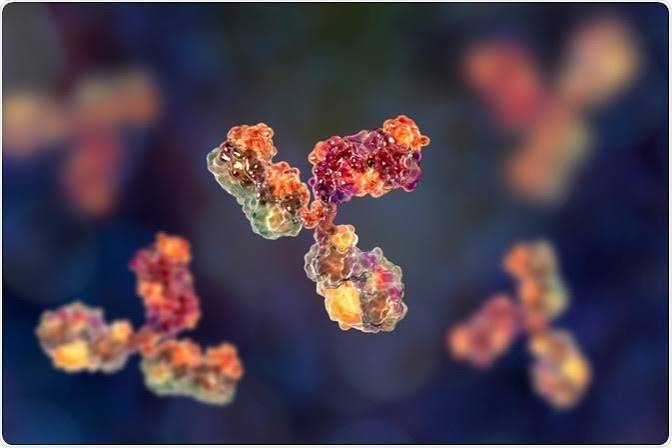
Antibodies play a vital role in modern medicine and form the basis of numerous diagnostic applications and biotechnologically produced therapies. Nona's H2L2 Harbour Mice® technology is based on genetically modified mice that, following immunization, produce antibodies with fully human structures. This enables fully human antibody candidates to be obtained and developed for further scientific investigation and potential medical applications.
Under the agreement, MedUni Vienna is granted the right to use Nona's technology for antibody generation and to further develop the resulting antibodies and antibody products for research, diagnostic, and therapeutic applications. The H2L2 Harbour Mice® platform and all associated intellectual property rights remain vested in Nona Biosciences.
"We are delighted to partner with the Medical University of Vienna. This collaboration underscores the power of our H2L2 Harbour Mice® platform to accelerate the discovery of fully human antibodies against clinically relevant targets. By combining our technology with the scientific expertise of Prof. Krammer and his team at the Ignaz Semmelweis Institute, we aim to make meaningful contributions to antiviral therapeutic development and pandemic preparedness," said Dr. Di Hong, Chief Executive Officer of Nona Biosciences.
"Access to this technology expands our capabilities to generate and characterise human antibodies against relevant biological targets, particularly viral spike proteins. This provides us with an additional foundation for the development of antiviral therapies, particularly with a view to future pandemics," said Florian Krammer, Professor of Infectious Diseases at MedUni Vienna and Director of the inter-university Ignaz Semmelweis Institute.
Most Read
- Can APAC Biomanufacturing Decarbonise Without Pricing Itself Out?
- The Algorithm on the GMP Floor: AI Promises a Smarter Plant. Regulators Demand the Audit Trail.
- APAC's Peptide-Capacity Gamble
- After the Rush: APAC's mRNA and Vaccine Capacity Hangover
- The Biosimilar Race: Factory to the World — or Stuck in the Copycat Economy?
- The Vein-to-Vein Problem: Can APAC's Cold Chain Carry Advanced Therapies?
- Vectors, Plasmids and the CGT Trap: APAC's Cell and Gene Therapy Ambitions Face an Upstream Bottleneck
- Can APAC Build Radioligand Therapy Before the Atoms Decay?
- The Great Biopharma Reset: 50 Developments That Changed Everything in H1 2026
- Beyond the Trial: Can Real-World Evidence Earn Regulatory Trust in APAC?
- Beyond the Obvious Giant: Where APAC's Clinical Trials Go Next
- The Frontier That Won’t Quite Arrive
Bio Jobs
- Sanofi Turns The Page As Belén Garijo Steps In And Paul Hudson Steps Out
- Global Survey Reveals Nearly 40% of Employees Facing Fertility Challenges Consider Leaving Their Jobs
- BioMed X and AbbVie Begin Global Search for Bold Neuroscience Talent To Decode the Biology of Anhedonia
- Thermo Fisher Expands Bengaluru R&D Centre to Advance Antibody Innovation and Strengthen India’s Life Sciences Ecosystem
- Accord Plasma (Intas Group) Acquires Prothya Biosolutions to Expand Global Plasma Capabilities
- ACG Announces $200 Million Investment to Establish First U.S. Capsule Manufacturing Facility in Atlanta
- AstraZeneca Invests $4.5 Billion to Build Advanced Manufacturing Facility in Virginia, Expanding U.S. Medicine Production
News