ImmVira Reports 100% Complete Response Rate With MVR T3011 In BCG Unresponsive Bladder Cancer
02 June 2026 | Tuesday | News
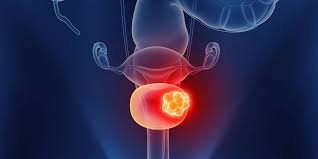
ImmVira Group announced that preliminary Phase IIa clinical data for MVR-T3011, its lead oncolytic immunotherapy candidate, was presented at the 2026 American Society of Clinical Oncology (ASCO) Annual Meeting. As of the data cut-off on January 31, 2026, the optimized dose of MVR-T3011 achieved a 100% complete response rate (CRR) in BCG-unresponsive carcinoma in situ (CIS) and a durable 90% recurrence-free survival (RFS) in papillary (Ta/T1) tumors.
While intravesical instillation of Bacillus Calmette-Guérin (BCG) remains the standard of care for high-risk NMIBC-representing 75% of all newly diagnosed bladder cancer cases, a global BCG shortage and high rates of non-response leave a significant patient population without effective options. MVR-T3011 was developed with the goal of delivering potent local and systemic anti-tumor immunity directly within the bladder, offering a potential organ-preserving treatment option for this high-need population.
The ongoing trial enrolled 46 patients in total with pathologically confirmed BCG-unresponsive high-risk NMIBC. Patients received intravesical MVR-T3011 at one of two dose levels:
- Lower-dose group (2×10⁹ PFU): Induction course followed by maintenance dosing over two years (n=25).
- Higher-dose group (1×10¹⁰ PFU): Induction course followed by maintenance dosing over two years (n=21).
The results demonstrate that MVR-T3011 achieved meaningful clinical efficacy and a favorable safety profile across both carcinoma in situ (CIS) and papillary (Ta/T1) disease settings:
- In the CIS cohort, the higher-dose 1×10¹⁰ PFU regimen achieved a 100% complete response rate (CRR) at 3 months, 6 months, and 9 months, as well as at any assessed timepoint— a marked step up from the lower-dose 2×10⁹ PFU cohort, which achieved a 66.7% CR rate at any timepoint (with timepoint-specific CRRs of 55.6% at 3 months and 75.0% at 6 months). The 12-month CRR for the 1×10¹⁰ PFU cohort has not yet been reached, with follow-up ongoing.
- In the papillary (Ta/T1) cohort, the 2×10⁹ PFU dose delivered a durable 12-month recurrence-free survival (RFS) of 74.0%, an already strong outcome; at the higher 1×10¹⁰ PFU dose, 9-month RFS reached 90.0%, with longer-duration follow-up ongoing.
Across all 46 patients treated, MVR-T3011 demonstrated a manageable safety profile consistent with prior observations. Importantly, the higher-dose 1×10¹⁰ PFU cohort showed a safety profile consistent with the lower-dose 2×10⁹ PFU cohort, with no Grade 4 or 5 TEAEs reported across either dose level, or no deaths attributable to treatment.
"The presentation of these Phase IIa results at ASCO 2026 marks a meaningful milestone for ImmVira and for the broader NMIBC community," said Dr. Grace Zhou, Chairwoman and CEO of ImmVira. "MVR-T3011 has demonstrated great therapeutic potential through both direct anti-tumor activity in CIS and immune suppression in papillary (Ta/T1) disease. This represents a synergy of direct oncolysis and immune activation, further enhanced by the integrated effects of exogenous IL-12 and PD-1 antibody expressions within tumor cells. We are committed to rapidly advancing our clinical program to reach broader bladder cancer patient populations and provide meaningful treatment alternatives for those in need.
|
[1] Due to the small sample size and the early, interim nature of the data, the observed CRR and RFS are subject to statistical uncertainty and are inherently susceptible to change as patient enrollment continues and follow-up matures. These preliminary results should not be construed as an indication of the final outcomes of the current study, nor should they be regarded as predictive of results that may be achieved in a future confirmatory phase III clinical trial or in connection with any regulatory review or approval. |
Most Read
- Can APAC Biomanufacturing Decarbonise Without Pricing Itself Out?
- The Algorithm on the GMP Floor: AI Promises a Smarter Plant. Regulators Demand the Audit Trail.
- APAC's Peptide-Capacity Gamble
- After the Rush: APAC's mRNA and Vaccine Capacity Hangover
- The Biosimilar Race: Factory to the World — or Stuck in the Copycat Economy?
- The Vein-to-Vein Problem: Can APAC's Cold Chain Carry Advanced Therapies?
- Vectors, Plasmids and the CGT Trap: APAC's Cell and Gene Therapy Ambitions Face an Upstream Bottleneck
- Can APAC Build Radioligand Therapy Before the Atoms Decay?
- The Great Biopharma Reset: 50 Developments That Changed Everything in H1 2026
- Beyond the Trial: Can Real-World Evidence Earn Regulatory Trust in APAC?
- Beyond the Obvious Giant: Where APAC's Clinical Trials Go Next
- The Frontier That Won’t Quite Arrive
Bio Jobs
- Sanofi Turns The Page As Belén Garijo Steps In And Paul Hudson Steps Out
- Global Survey Reveals Nearly 40% of Employees Facing Fertility Challenges Consider Leaving Their Jobs
- BioMed X and AbbVie Begin Global Search for Bold Neuroscience Talent To Decode the Biology of Anhedonia
- Thermo Fisher Expands Bengaluru R&D Centre to Advance Antibody Innovation and Strengthen India’s Life Sciences Ecosystem
- Accord Plasma (Intas Group) Acquires Prothya Biosolutions to Expand Global Plasma Capabilities
- ACG Announces $200 Million Investment to Establish First U.S. Capsule Manufacturing Facility in Atlanta
- AstraZeneca Invests $4.5 Billion to Build Advanced Manufacturing Facility in Virginia, Expanding U.S. Medicine Production
News