Exegenesis Bio, Modalis Partner to Advance CRISPR-Based DMD Therapy MDL-201
14 September 2026 | Monday | News
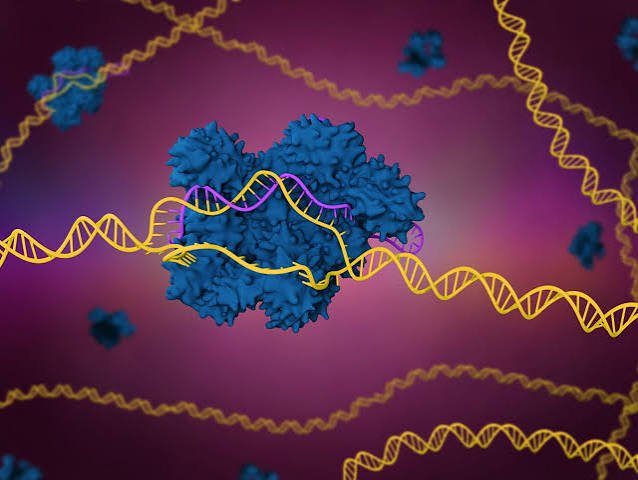
Exegenesis Bio and Modalis Therapeutics Corporation (TOKYO: 4883; "Modalis") announced that they have signed a research collaboration and license agreement to advance MDL-201, an innovative therapeutic candidate for Duchenne muscular dystrophy ("DMD") based on Modalis' proprietary CRISPR-GNDM® (Guide Nucleotide-Directed Modulation) technology. The agreement will become effective on September 14, 2026. Under the agreement, Modalis will receive rights to use EMC181, an engineered muscle-tropic AAV capsid developed by Exegenesis Bio, for MDL-201. By combining Exegenesis Bio's delivery technology with Modalis' CRISPR-GNDM® payload and development capabilities, the companies aim to accelerate research and development toward clinical application.
DMD is a rare disease caused by a deficiency of dystrophin, a protein essential for supporting muscle cells, and leads to progressive functional decline in skeletal, cardiac, and respiratory muscles. In recent years, the emergence of treatment modalities, including nucleic acid medicines, has broadened treatment options for patients. However, achieving long-term suppression of disease progression across all patients remains a significant challenge. Accordingly, there is a strong need for new therapeutic approaches that may complement existing treatments or act through different mechanisms of action.
Once effective, under the research collaboration, the companies will advance MDL-201, a therapy designed to sustainably and selectively activate utrophin in muscle tissue through Modalis' proprietary epigenome editing technology, CRISPR-GNDM®. By regulating gene expression without cutting double-stranded DNA, MDL-201 is designed to increase utrophin expression, which may complement the function of dystrophin. Under the license terms, Modalis will have rights to use EMC181, a muscle-tropic AAV capsid developed by Exegenesis Bio, for MDL-201. EMC181 is characterized by high tropism for muscle tissue as well as liver-detargeting properties that may improve safety by reducing exposure to off-target organs. By combining EMC181 with Modalis' CRISPR-GNDM® payload, the companies seek to enhance delivery to muscle tissue and potentially improve the therapeutic profile of MDL-201, while pursuing a mutation-agnostic treatment strategy applicable to a broad range of DMD patients.
This collaboration brings together Exegenesis Bio's gene therapy research and development platform, including EMC181, with Modalis' proprietary CRISPR-GNDM® epigenome editing technology. Exegenesis Bio contributes its muscle-tropic, liver-detargeting AAV capsid technology, while Modalis contributes its CRISPR-GNDM® payload and development expertise gained through programs including MDL-101. By integrating these complementary capabilities, the companies aim to enable efficient delivery to target muscle tissues while reducing exposure to non-target tissues such as the liver, and to accelerate MDL-201 toward nonclinical and clinical development.
Zhenhua Wu, CEO of Exegenesis Bio, stated: "We are pleased to collaborate with Modalis to advance MDL-201. EMC181 was developed to enable efficient muscle targeting while reducing liver exposure, and we believe its combination with Modalis' innovative CRISPR-GNDM® payload represents a compelling approach for DMD. This collaboration reflects our strategy of applying our next-generation AAV capsid platform to differentiated gene therapies with the potential to address significant unmet medical needs."
Haruhiko Morita, CEO of Modalis Therapeutics, commented: "We are excited to partner with Exegenesis Bio to advance MDL-201. Combining our CRISPR-GNDM® payload with EMC181 brings together two highly complementary technologies - precise, durable activation of utrophin and efficient muscle-targeted delivery. We believe this collaboration has the potential to accelerate MDL-201 toward the clinic and to establish a differentiated, mutation-agnostic treatment approach for DMD. We remain committed to bringing this potential new treatment to patients as quickly as possible."
The financial impact of this research collaboration on Modalis' results for the current fiscal year is expected to be immaterial, and there is no revision to the earnings forecast at this time.
Most Read
- Can APAC Biomanufacturing Decarbonise Without Pricing Itself Out?
- The Algorithm on the GMP Floor: AI Promises a Smarter Plant. Regulators Demand the Audit Trail.
- APAC's Peptide-Capacity Gamble
- After the Rush: APAC's mRNA and Vaccine Capacity Hangover
- The Biosimilar Race: Factory to the World — or Stuck in the Copycat Economy?
- The Vein-to-Vein Problem: Can APAC's Cold Chain Carry Advanced Therapies?
- Vectors, Plasmids and the CGT Trap: APAC's Cell and Gene Therapy Ambitions Face an Upstream Bottleneck
- Can APAC Build Radioligand Therapy Before the Atoms Decay?
- The Great Biopharma Reset: 50 Developments That Changed Everything in H1 2026
- Beyond the Trial: Can Real-World Evidence Earn Regulatory Trust in APAC?
- Beyond the Obvious Giant: Where APAC's Clinical Trials Go Next
- The Frontier That Won’t Quite Arrive
Bio Jobs
- Sanofi Turns The Page As Belén Garijo Steps In And Paul Hudson Steps Out
- Global Survey Reveals Nearly 40% of Employees Facing Fertility Challenges Consider Leaving Their Jobs
- BioMed X and AbbVie Begin Global Search for Bold Neuroscience Talent To Decode the Biology of Anhedonia
- Thermo Fisher Expands Bengaluru R&D Centre to Advance Antibody Innovation and Strengthen India’s Life Sciences Ecosystem
- Accord Plasma (Intas Group) Acquires Prothya Biosolutions to Expand Global Plasma Capabilities
- ACG Announces $200 Million Investment to Establish First U.S. Capsule Manufacturing Facility in Atlanta
- AstraZeneca Invests $4.5 Billion to Build Advanced Manufacturing Facility in Virginia, Expanding U.S. Medicine Production
News