Innovations in Hematologic Oncology: Addressing Unmet Needs in CLL Care
13 July 2026 | Monday | Analysis
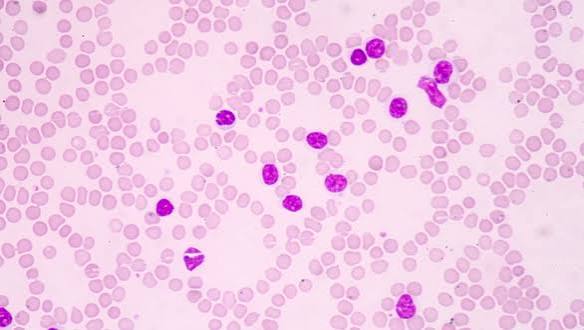
Lymphocyte Type, Blood Cancer
Chronic lymphocytic leukaemia (CLL) is a blood malignancy caused by an overproduction of lymphocytes in the blood, lymphatic tissues and bone marrow. The speed of advancement of the sickness varies from patient to patient but is usually rather slow.Some people may just need to be followed over time while others may need active medical treatment depending on their symptoms, laboratory studies, and illness course.
During the last decade, investigators have improved their understanding of the core elements generating CLL. These insights have resulted in more accurate diagnoses and treatment approaches that go beyond the constraints of traditional chemotherapy.
Transition to Precision Medicine
Precision medicine is becoming increasingly important in modern haematologic oncology. When clinicians treat patients, they don’t take a one-size-fits-all strategy.Their work involves studying the patient’s medical history, certain genetic markers and molecular abnormalities.
Medical professionals can gain a better knowledge of the disease's behaviour and fulfil the specific treatment demands of each patient when treatment plans are tailored to the individual features of the patient and are in line with the accepted clinical criteria.
Advances in Targeted Studies
Therapies targeting molecular pathways have contributed to changes in treatment approaches for CLL. Clinical trial effort continues in the field of innovative combinations, sequencing methods and long-term effects.
Scientists are working to improve disease management, reduce treatment complications and understand the causes of resistance that may develop over time. These findings may support clinical decision-making and ongoing research into future treatment approaches. If you want to know more about treatment for cll then reliable medical resources include information about sickness management and current research.
The Importance of Early Detection and Screening
Early detection of CLL is important for efficient monitoring and management. Many people have no symptoms at diagnosis, but regular blood tests can find the condition before significant effects occur.
Follow-up appointments enable clinicians to monitor blood counts more effectively, evaluate the progression of the disease, and determine if intervention is necessary. How often you are monitored will depend on the overall state of your health and the details of your sickness.
The Role of Multidisciplinary Management
Management of chronic lymphocytic leukaemia (CLL) is often a team effort including haematologists , oncology specialists , nurses , pharmacists and other supportive care professionals. Treatment decisions must consider both clinical data and patient-specific conditions, and this is where a multidisciplinary approach is useful.
Throughout the duration of an illness, supportive care may involve strategies to avoid infections, manage symptoms, offer advice on vaccines as needed, and routinely monitor general health.
The Future of Care for CLL
The future of haematologic oncology is being shaped by clinical trials, biomarker research and breakthroughs in focussed therapy techniques.Further studies are needed to find evidence-based options for therapy and to enhance long-term results.
Summary:
New breakthroughs in haematologic oncology are transforming the study and treatment of chronic lymphocytic leukaemia. The continuing research, collaborative clinical care, and precision medicine allow medical practitioners to better support the patients’ specific treatment regimens with ever-changing scientific data.
Most Read
- Can APAC Biomanufacturing Decarbonise Without Pricing Itself Out?
- The Algorithm on the GMP Floor: AI Promises a Smarter Plant. Regulators Demand the Audit Trail.
- APAC's Peptide-Capacity Gamble
- After the Rush: APAC's mRNA and Vaccine Capacity Hangover
- The Biosimilar Race: Factory to the World — or Stuck in the Copycat Economy?
- The Vein-to-Vein Problem: Can APAC's Cold Chain Carry Advanced Therapies?
- Vectors, Plasmids and the CGT Trap: APAC's Cell and Gene Therapy Ambitions Face an Upstream Bottleneck
- Can APAC Build Radioligand Therapy Before the Atoms Decay?
- The Great Biopharma Reset: 50 Developments That Changed Everything in H1 2026
- Beyond the Trial: Can Real-World Evidence Earn Regulatory Trust in APAC?
- Beyond the Obvious Giant: Where APAC's Clinical Trials Go Next
- The Frontier That Won’t Quite Arrive
Bio Jobs
- Sanofi Turns The Page As Belén Garijo Steps In And Paul Hudson Steps Out
- Global Survey Reveals Nearly 40% of Employees Facing Fertility Challenges Consider Leaving Their Jobs
- BioMed X and AbbVie Begin Global Search for Bold Neuroscience Talent To Decode the Biology of Anhedonia
- Thermo Fisher Expands Bengaluru R&D Centre to Advance Antibody Innovation and Strengthen India’s Life Sciences Ecosystem
- Accord Plasma (Intas Group) Acquires Prothya Biosolutions to Expand Global Plasma Capabilities
- ACG Announces $200 Million Investment to Establish First U.S. Capsule Manufacturing Facility in Atlanta
- AstraZeneca Invests $4.5 Billion to Build Advanced Manufacturing Facility in Virginia, Expanding U.S. Medicine Production
News