Merck Secures World First Regulatory Approval For Pimicotinib In Rare Joint Tumour TGCT In China
23 December 2025 | Tuesday | News
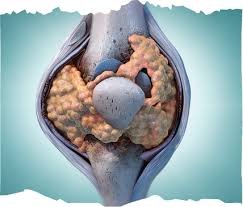
Image Source : Public Domain
- First regulatory approval in the world for pimicotinib based on positive data from global Phase 3 MANEUVER study
- In MANEUVER, pimicotinib significantly improved objective response rate at week 25 (54% vs. 3.2% for placebo), while providing clinically meaningful and statistically significant improvements across all patient-reported outcomes
- With longer-term follow-up, 3 out of 4 patients treated with pimicotinib achieved response per RECIST v1.1, and treatment continued to be well-tolerated
- Approval strengthens Merck’s leadership in rare tumors, with additional ongoing regulatory filings for pimicotinib underway globally
-Merck, a leading science and technology company, announced today that following Priority Review, the China National Medical Products Administration (NMPA) has approved pimicotinib for the treatment of adult patients with symptomatic tenosynovial giant cell tumor (TGCT) for which surgical resection will potentially cause functional limitation or relatively severe morbidity. Pimicotinib, a colony stimulating factor-1 receptor (CSF-1R) inhibitor developed by Abbisko Therapeutics Co., Ltd., Shanghai, China, is the first Chemical Drug Class 1 approved in China for the treatment of TGCT.
“We are continuing to deliver on our commitment to improving the lives of patients with rare tumors with this first-in-the-world regulatory approval of pimicotinib,” said Danny Bar-Zohar, CEO Healthcare and Member of the Executive Board of Merck. “This approval is a significant step forward in further strengthening our leadership in rare tumors, while offering patients the opportunity to change the course of their disease and help alleviate symptoms that impact their daily lives. We are now working to make pimicotinib available to patients in China as quickly as possible, as we continue to progress applications with regulatory authorities in additional markets.”
TGCT is a rare, locally aggressive tumor of the joint leading to progressive swelling, stiffness and reduced mobility of the affected joint, significantly impacting daily activities and quality of life in the otherwise healthy population that it affects. If left untreated or in recurrent cases, TGCT can result in irreversible damage to the bone, joint and surrounding tissues. Historically TGCT may have been known by several different names, including pigmented villonodular synovitis (PVNS).
The approval of pimicotinib by the China NMPA is based on results from the global Phase 3 MANEUVER study, in which pimicotinib demonstrated the highest objective response rate (ORR) based on RECIST v1.1 seen in a Phase 3 trial of a systemic TGCT treatment, as well as meaningful improvements in clinical outcomes. At week 25, pimicotinib demonstrated a statistically significant improvement in the primary endpoint of ORR assessed by blinded independent review committee (BIRC) based on RECIST v1.1 compared with placebo at week 25 (54.0% vs. 3.2% for placebo; p<0.0001). Pimicotinib also demonstrated clinically meaningful and statistically significant improvements across secondary endpoints relevant to patients’ daily lives, improving relative range of motion (p=0.0003) and physical function measured by PROMIS-PF scale (p=0.0074) and reducing worst stiffness (p<0.0001) and worst pain (p<0.0001). These findings were presented at the 2025 ASCO Annual Meeting. Longer-term results presented at the ESMO Congress 2025 showed that with a median follow-up of 14.3 months, ORR per RECIST v1.1 increased considerably among patients treated with pimicotinib from the beginning of the study, to 76.2% (95% CI: 63.8, 86.0).
“Many people living with TGCT in China have faced a long and difficult journey due to the lack of approved options beyond surgery, which may not address the needs of patients whose tumors recur or are not amenable to resection,” said Prof. Niu Xiaohui, Director of the Bone and Soft Tissue Tumour Diagnosis and Research Centre at Beijing Jishuitan Hospital. “With the approval of pimicotinib based on the results of the global MANEUVER study, healthcare professionals in China will soon have the opportunity to prescribe their patients an effective and well-tolerated systemic treatment option, offering a much-needed advance in how they manage this challenging condition.”
In MANEUVER, pimicotinib was well-tolerated, with no evidence of cholestatic hepatotoxicity or hair/skin hypopigmentation. During the randomized, double-blind treatment phase of the trial, treatment-emergent adverse events (TEAEs) leading to treatment discontinuation occurred in one patient (1.6%) treated with pimicotinib; TEAEs leading to dose reduction occurred in 7.9% (n=5) of pimicotinib-treated patients.
“Pain and restricted mobility induced by TGCT impair patients' daily functioning and impose huge psychological burden on them,” commented Kevin Huang, Founder and President of Chinese Organization for Rare Disorders (CORD), and Founder and Secretary-General of the Hope For Rare Foundation. “Following the approval of pimicotinib in China, this systemic therapeutic regimen enables effective control of tumor progression and alleviation of clinical symptoms, bringing hope for patients who may regain the ability to join in activities deemed common by the most, such as climbing stairs, commuting to work, or playing with their children.”
Most Read
- Can APAC Biomanufacturing Decarbonise Without Pricing Itself Out?
- The Algorithm on the GMP Floor: AI Promises a Smarter Plant. Regulators Demand the Audit Trail.
- APAC's Peptide-Capacity Gamble
- After the Rush: APAC's mRNA and Vaccine Capacity Hangover
- The Biosimilar Race: Factory to the World — or Stuck in the Copycat Economy?
- The Vein-to-Vein Problem: Can APAC's Cold Chain Carry Advanced Therapies?
- Vectors, Plasmids and the CGT Trap: APAC's Cell and Gene Therapy Ambitions Face an Upstream Bottleneck
- Can APAC Build Radioligand Therapy Before the Atoms Decay?
- The Great Biopharma Reset: 50 Developments That Changed Everything in H1 2026
- Beyond the Trial: Can Real-World Evidence Earn Regulatory Trust in APAC?
- Beyond the Obvious Giant: Where APAC's Clinical Trials Go Next
- The Frontier That Won’t Quite Arrive
Bio Jobs
- Sanofi Turns The Page As Belén Garijo Steps In And Paul Hudson Steps Out
- Global Survey Reveals Nearly 40% of Employees Facing Fertility Challenges Consider Leaving Their Jobs
- BioMed X and AbbVie Begin Global Search for Bold Neuroscience Talent To Decode the Biology of Anhedonia
- Thermo Fisher Expands Bengaluru R&D Centre to Advance Antibody Innovation and Strengthen India’s Life Sciences Ecosystem
- Accord Plasma (Intas Group) Acquires Prothya Biosolutions to Expand Global Plasma Capabilities
- ACG Announces $200 Million Investment to Establish First U.S. Capsule Manufacturing Facility in Atlanta
- AstraZeneca Invests $4.5 Billion to Build Advanced Manufacturing Facility in Virginia, Expanding U.S. Medicine Production
News