Ractigen Reports First Human Proof-of-Mechanism for RNA Activation in Duchenne Muscular Dystrophy
05 October 2026 | Monday | News
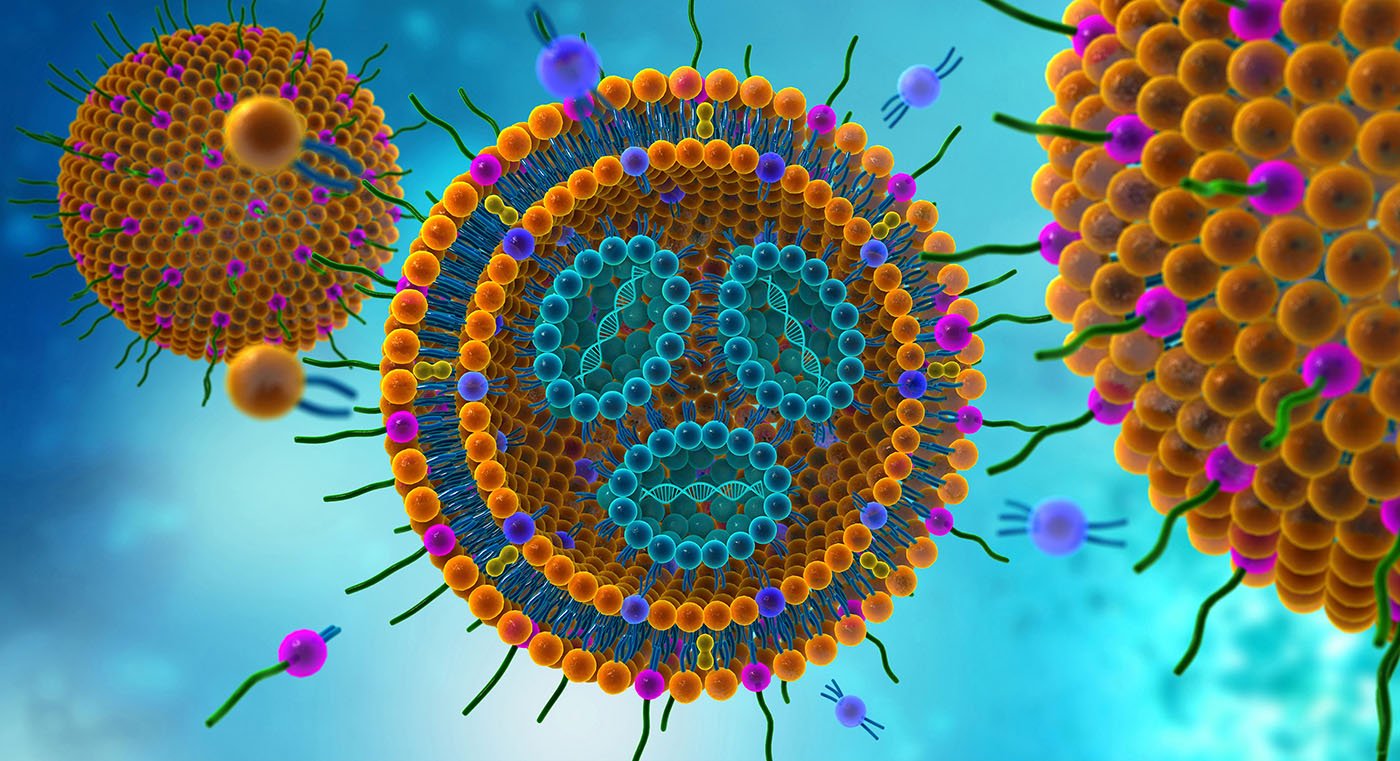
- First clinical evidence demonstrating that a systemically delivered small activating RNA (saRNA) can safely upregulate an endogenous target protein in human skeletal muscle in a monogenic disease.
- Paired muscle biopsies reveal 3.5- to 5.3-fold increases in sarcolemmal utrophin expression, accompanied by definitive tissue histopathological remodeling
- Concordant positive trajectories observed across motor and pulmonary functional endpoints
- Favorable safety and tolerability profile demonstrated, with zero dose-limiting toxicities (DLTs) and zero serious adverse events (SAEs)
- Cohort 2 (30 mg) fully enrolled
Ractigen Therapeutics, a clinical-stage biotechnology company pioneering RNA activation (RNAa) therapeutics, presented positive first-in-human clinical data from its ongoing Phase I trial of RAG-18 (NCT07282652) during a Late-Breaking Oral Presentation at the 31st Annual Congress of the World Muscle Society (WMS 2026), held in Hiroshima, Japan.
The data establish the first clinical proof-of-mechanism for RNA activation (RNAa) in a human monogenic disease, demonstrating that a systemically delivered saRNA can safely enter human skeletal muscle and upregulate an endogenous, therapeutically relevant target protein.
The presentation, titled "First-in-human evidence of RNA activation-mediated sarcolemmal utrophin upregulation in Duchenne muscular dystrophy," was delivered orally by the study's Principal Investigator, Professor Yi Dai, MD, PhD, Department of Neurology, Peking Union Medical College Hospital (PUMCH), Chinese Academy of Medical Sciences.
For more than two decades, the neuromuscular field has recognized utrophin — a naturally occurring structural relative of dystrophin — as one of the most compelling therapeutic ideas in DMD. Because utrophin can substitute for dystrophin at the muscle membrane regardless of which DMD mutation a patient carries, sufficiently increasing it would represent a mutation-independent approach relevant to the entire patient population. The historical obstacle was never the biology, but the absence of a modality capable of safely switching on endogenous gene transcription directly in human muscle. The data presented today directly demonstrate how RNAa overcomes this longstanding barrier.
RAG-18 is developed on Ractigen's proprietary RNAa platform and delivered using the company's Lipid-Conjugated Oligonucleotide (LiCO™) technology as an aqueous saline formulation via monthly intravenous (IV) infusion. It harnesses the cell's endogenous transcriptional machinery to increase utrophin production without viral vectors or permanent DNA editing. RAG-18 has received Orphan Drug Designation (ODD) and Rare Pediatric Disease Designation (RPDD) from the U.S. Food and Drug Administration (FDA).
Professor Yi Dai, MD, PhD, Principal Investigator, commented:
"In the first three boys treated, we observed a complete and internally consistent chain of evidence: paired muscle biopsies showed utrophin robustly upregulated and correctly localized at the sarcolemma, muscle architecture improved with less fibrosis and fat infiltration, and motor and pulmonary measures held steady or improved over the same window. What is particularly striking is that these three boys carry three different types of DMD mutations, yet all showed signals in the same direction — a clinical illustration of what a mutation-independent strategy means in practice. As a clinician who has cared for patients with neuromuscular disease for many years, being part of this first human validation from mechanism to tissue to function is deeply encouraging."
Long-Cheng Li, MD, Founder, Chairman and Chief Executive Officer of Ractigen Therapeutics, added:
"The data presented today at WMS establish the first clinical proof-of-mechanism for RNA activation. With rigorous patient-level evidence, we have shown that saRNA can reliably activate an endogenous target gene in human skeletal muscle and drive repair at the tissue level. This is a milestone not only for the RAG-18 program but for the field of RNA medicine, which can now move beyond silencing genes to switching them on. RAG-18 has the potential to become a disease-modifying therapy for patients across all DMD genotypes. With Cohort 2 fully enrolled, we are committed to accelerating clinical development so that this pioneering therapy can reach patients worldwide as soon as possible."
Key Highlights from the WMS Late-Breaking Presentation (NCT07282652):
The open-label, dose-escalation first-in-human trial is evaluating the safety, tolerability, pharmacodynamics, and exploratory efficacy of RAG-18 in ambulatory boys aged 4–15 with genetically confirmed DMD. The presentation reported multi-dimensional data through Day 169 from Cohort 1 (15 mg monthly IV, n=3):
- Favorable Safety & Tolerability: There were zero dose-limiting toxicities (DLTs), zero serious adverse events (SAEs), and no Grade ≥3 treatment-emergent adverse events (TEAEs). All reported adverse events were mild (Grade 1–2), transient, and resolved spontaneously without medical intervention. No dose interruptions, reductions, or discontinuations occurred.
- Robust & Precise Sarcolemmal Target Engagement: Paired contralateral muscle biopsies at Day 113 analyzed via whole-field quantitative immunofluorescence (IF) revealed a 3.5- to 5.3-fold upregulation of sarcolemmal utrophin signal density in mature myofibers (and a 4.1- to 4.7-fold increase in regenerating myofibers) compared to pre-dose baseline. Co-staining with laminin confirmed precise and uniform localization to the sarcolemma.
- Histopathological Structural Remodeling: Morphometric analysis at Day 113 showed increased mean myofiber cross-sectional area (+5% to +15%) and mean myofiber diameter (+5.34 μm to +27.50 μm) without evidence of drug-induced myonecrosis or inflammation. Muscle fat fraction decreased by 3% to 10%, indicating tissue stabilization.
- Reduction of Active Tissue Edema: Quantitative muscle MRI (qMRI) revealed reductions in thigh muscle T2 relaxation times (up to −11.6% at Day 169), consistent with the resolution of active muscle edema and inflammation.
- Positive Functional & Pulmonary Trajectories:
- Pulmonary Signals: All three participants showed positive numerical trends in spirometric parameters over 24 weeks, with percent predicted forced vital capacity (FVC%) increasing by +2.8% to +41.0% and forced expiratory volume (FEV1%) by +2.8% to +34.0%.
- Ambulatory Trajectories: In an early-ambulatory participant (age 6.8), 6-minute walk distance (6MWD) improved by +36.5 m. In a late-ambulatory participant (age 12.7), 6MWD remained preserved (−1.0 m delta) alongside improved 4-stair climb time. Participant 1 (age 7.3) experienced a decline of −62.5 m in 6MWD. NSAA scores declined uniformly by −3 points across all three participants, underscoring the heterogeneous and progressive nature of DMD motor function.
- Cardiac Function: Left ventricular ejection fraction (LVEF) remained within normal limits (≥55%) across all participants throughout the 24-week follow-up.
Clinical Program Update
Cohort 2 (30 mg monthly IV) is fully enrolled and safety follow-up is ongoing as planned.
Most Read
- Can APAC Biomanufacturing Decarbonise Without Pricing Itself Out?
- The Algorithm on the GMP Floor: AI Promises a Smarter Plant. Regulators Demand the Audit Trail.
- APAC's Peptide-Capacity Gamble
- After the Rush: APAC's mRNA and Vaccine Capacity Hangover
- The Biosimilar Race: Factory to the World — or Stuck in the Copycat Economy?
- The Vein-to-Vein Problem: Can APAC's Cold Chain Carry Advanced Therapies?
- Vectors, Plasmids and the CGT Trap: APAC's Cell and Gene Therapy Ambitions Face an Upstream Bottleneck
- Can APAC Build Radioligand Therapy Before the Atoms Decay?
- The Great Biopharma Reset: 50 Developments That Changed Everything in H1 2026
- Beyond the Trial: Can Real-World Evidence Earn Regulatory Trust in APAC?
- Beyond the Obvious Giant: Where APAC's Clinical Trials Go Next
- The Frontier That Won’t Quite Arrive
Bio Jobs
- Sanofi Turns The Page As Belén Garijo Steps In And Paul Hudson Steps Out
- Global Survey Reveals Nearly 40% of Employees Facing Fertility Challenges Consider Leaving Their Jobs
- BioMed X and AbbVie Begin Global Search for Bold Neuroscience Talent To Decode the Biology of Anhedonia
- Thermo Fisher Expands Bengaluru R&D Centre to Advance Antibody Innovation and Strengthen India’s Life Sciences Ecosystem
- Accord Plasma (Intas Group) Acquires Prothya Biosolutions to Expand Global Plasma Capabilities
- ACG Announces $200 Million Investment to Establish First U.S. Capsule Manufacturing Facility in Atlanta
- AstraZeneca Invests $4.5 Billion to Build Advanced Manufacturing Facility in Virginia, Expanding U.S. Medicine Production
News