AsiaMedic Becomes First in ASEAN to Adopt GE HealthCare’s MR31 MRI Platform
02 October 2026 | Friday | News
- Singapore imaging provider is the earliest site in the region to adopt a new generation of MRI technology.
- MR31 will enable AsiaMedic to reduce scan times and widen the range of complex examinations available to referring physicians.
- The adoption builds on an established relationship between GE HealthCare and AsiaMedic.
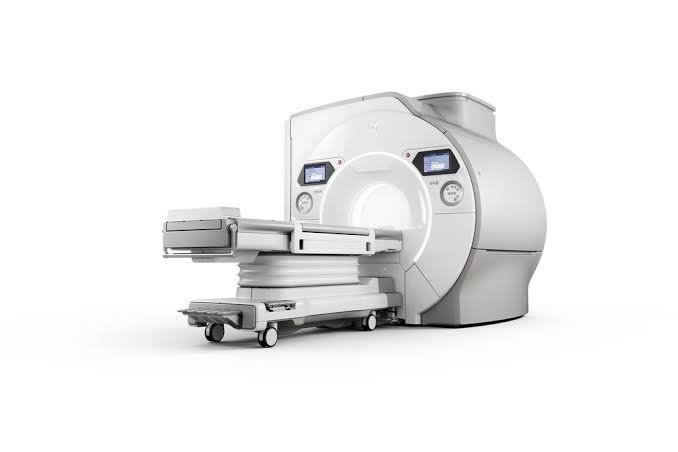
GE HealthCare and AsiaMedic announced that AsiaMedic is the first site in ASEAN, and among the earliest adopters in Asia Pacific, to implement MR31 — the latest generation of GE HealthCare's MRI platform. The adoption expands the range of complex imaging examinations available at AsiaMedic's imaging centre in Singapore.
MR31 brings together a set of deep learning technologies that shorten acquisition times and support detailed examinations across neurological, musculoskeletal and nerve imaging. Sonic DL™ for 3D applies deep learning acceleration to 3D volumetric imaging, delivering up to 12 times scan acceleration and reducing scan times across brain, spine, orthopaedic and body examinations.
Beyond neurological and musculoskeletal applications, these deep learning innovations also support high-quality imaging in other clinical areas, including prostate MRI.
For prostate MRI, AIR Recon DL Phase Correction for advanced diffusion-weighted imaging can provide improved visualization of clinically significant lesions and high-resolution T2-weighted imaging may help benefit lesion localization for prostate fusion biopsy planning.
For patients, shorter acquisition times mean less time in the scanner and may help reduce repeat examinations caused by patient movement. For referring physicians, the platform helps widen the set of questions that can be answered by imaging rather than by more invasive investigation.
"Deep Learning-Phase Correction (DL-PC) for prostate diffusion-weighted imaging has the potential to improve image quality and diagnostic confidence, while supporting a more efficient imaging workflow. It is an exciting advancement for prostate imaging and one we are pleased to bring into clinical practice," said Dr Low Kah Boon, Consultant Radiologist in Abdominal and Pelvic Imaging, AsiaMedic.
"Adopting a new MRI platform first in a region takes confidence, and AsiaMedic has consistently been willing to invest early in technology that benefits patients," said Dede Yan, General Manager, SEA6, GE HealthCare. "MR31 brings together deep learning technologies designed to reduce scan times and support sharper, clearer images in specific imaging applications. We are pleased to support the team as it brings these capabilities to patients in Singapore."
Most Read
- Can APAC Biomanufacturing Decarbonise Without Pricing Itself Out?
- The Algorithm on the GMP Floor: AI Promises a Smarter Plant. Regulators Demand the Audit Trail.
- APAC's Peptide-Capacity Gamble
- After the Rush: APAC's mRNA and Vaccine Capacity Hangover
- The Biosimilar Race: Factory to the World — or Stuck in the Copycat Economy?
- The Vein-to-Vein Problem: Can APAC's Cold Chain Carry Advanced Therapies?
- Vectors, Plasmids and the CGT Trap: APAC's Cell and Gene Therapy Ambitions Face an Upstream Bottleneck
- Can APAC Build Radioligand Therapy Before the Atoms Decay?
- The Great Biopharma Reset: 50 Developments That Changed Everything in H1 2026
- Beyond the Trial: Can Real-World Evidence Earn Regulatory Trust in APAC?
- Beyond the Obvious Giant: Where APAC's Clinical Trials Go Next
- The Frontier That Won’t Quite Arrive
Bio Jobs
- Sanofi Turns The Page As Belén Garijo Steps In And Paul Hudson Steps Out
- Global Survey Reveals Nearly 40% of Employees Facing Fertility Challenges Consider Leaving Their Jobs
- BioMed X and AbbVie Begin Global Search for Bold Neuroscience Talent To Decode the Biology of Anhedonia
- Thermo Fisher Expands Bengaluru R&D Centre to Advance Antibody Innovation and Strengthen India’s Life Sciences Ecosystem
- Accord Plasma (Intas Group) Acquires Prothya Biosolutions to Expand Global Plasma Capabilities
- ACG Announces $200 Million Investment to Establish First U.S. Capsule Manufacturing Facility in Atlanta
- AstraZeneca Invests $4.5 Billion to Build Advanced Manufacturing Facility in Virginia, Expanding U.S. Medicine Production
News