Telix Takes Next-Generation PSMA Radioligand Therapy into Earlier Prostate Cancer Treatment
17 July 2026 | Friday | News
- First patients dosed in OPTIMAL-e[1] Phase 2 study evaluating TLX597-Tx for metastatic hormone-sensitive prostate cancer at St Vincent's Hospital Sydney.
- OPTIMAL-e will evaluate TLX597-Tx in earlier prostate cancer treatment setting, building on the OPTIMAL-PSMA[2] study which recently completed patient enrollment.
- TLX597-Tx is Telix's next generation PSMA[3]-targeting small molecule radioligand therapy candidate designed to improve efficacy and quality of life in earlier-stage prostate cancer.
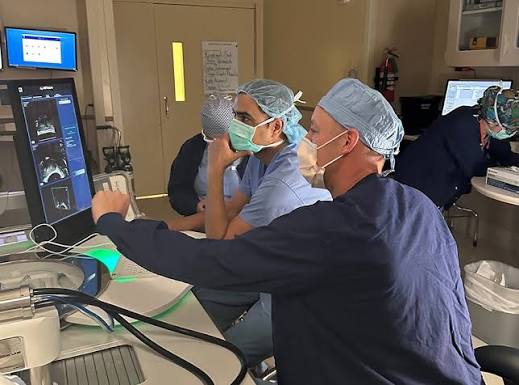
Telix Pharmaceuticals Limited (ASX: TLX, NASDAQ: TLX, "Telix") and St Vincent's Hospital announced that the first patients have been dosed with TLX597-Tx (177Lu-DOTA-HYNIC-panPSMA) in the OPTIMAL-e trial, led by Professor Louise Emmett for patients with metastatic hormone-sensitive prostate cancer (mHSPC) at St Vincent's Hospital in Sydney, Australia.
OPTIMAL-e is a single-arm, open-label trial, evaluating adaptive-dosed TLX597-Tx in combination with androgen deprivation therapy (ADT) and an androgen receptor pathway inhibitor (ARPI) in men with mHSPC. The study will evaluate the impact of TLX597-Tx on PSA[4] response rate in an earlier treatment setting, assessing its potential to improve both the depth and durability of PSA response, while further evaluating the safety of dose intensification.
TLX597-Tx is a highly-targeted next generation small molecule RLT[5] designed to improve efficacy and quality of life in earlier-stage metastatic prostate cancer. It has demonstrated a favorable biodistribution and dosimetry profile in prior studies including OPTIMAL-PSMA[6], suggesting low exposure to salivary glands and the kidneys, the healthy organs of concern with PSMA RLT, and high uptake in PSMA-expressing tumors.
Louise Emmett, MD, Director of Theranostics and Nuclear Medicine, St. Vincent's Hospital, and Lead Investigator of the OPTIMAL-e study, said, "I am excited to lead the OPTIMAL-e trial, which is evaluating an adaptive treatment approach designed to tailor therapy to each patient's response. By using PSMA-PET[7] imaging and PSA measurements to monitor disease burden, treatment can be continued when the PSMA target persists, and paused when there is a significant reduction in tumor burden. This individualized strategy aims to maintain disease control while minimizing unnecessary treatment exposure, with the potential to keep patients in a low-volume disease state for longer and support quality of life. The findings from OPTIMAL-e may help shape future treatment strategies and advance precision medicine for men living with prostate cancer."
David N. Cade, MD, Group Chief Medical Officer, Telix, said, "The initiation of OPTIMAL-e marks an important evolution of PSMA-targeted radioligand therapy for earlier metastatic prostate cancer, where maintaining quality of life is paramount. While the currently approved radioligand therapy has demonstrated a modest improvement in overall survival in advanced-stage disease, we believe earlier intervention may offer the potential to further improve outcomes and prolong quality of life for patients."
TLX597-Tx has not received marketing authorization in any jurisdiction.
Most Read
- Can APAC Biomanufacturing Decarbonise Without Pricing Itself Out?
- The Algorithm on the GMP Floor: AI Promises a Smarter Plant. Regulators Demand the Audit Trail.
- APAC's Peptide-Capacity Gamble
- After the Rush: APAC's mRNA and Vaccine Capacity Hangover
- The Biosimilar Race: Factory to the World — or Stuck in the Copycat Economy?
- The Vein-to-Vein Problem: Can APAC's Cold Chain Carry Advanced Therapies?
- Vectors, Plasmids and the CGT Trap: APAC's Cell and Gene Therapy Ambitions Face an Upstream Bottleneck
- Can APAC Build Radioligand Therapy Before the Atoms Decay?
- The Great Biopharma Reset: 50 Developments That Changed Everything in H1 2026
- Beyond the Trial: Can Real-World Evidence Earn Regulatory Trust in APAC?
- Beyond the Obvious Giant: Where APAC's Clinical Trials Go Next
- The Frontier That Won’t Quite Arrive
Bio Jobs
- Sanofi Turns The Page As Belén Garijo Steps In And Paul Hudson Steps Out
- Global Survey Reveals Nearly 40% of Employees Facing Fertility Challenges Consider Leaving Their Jobs
- BioMed X and AbbVie Begin Global Search for Bold Neuroscience Talent To Decode the Biology of Anhedonia
- Thermo Fisher Expands Bengaluru R&D Centre to Advance Antibody Innovation and Strengthen India’s Life Sciences Ecosystem
- Accord Plasma (Intas Group) Acquires Prothya Biosolutions to Expand Global Plasma Capabilities
- ACG Announces $200 Million Investment to Establish First U.S. Capsule Manufacturing Facility in Atlanta
- AstraZeneca Invests $4.5 Billion to Build Advanced Manufacturing Facility in Virginia, Expanding U.S. Medicine Production
News