Orthogon Therapeutics Secures 11 Million Dollars To Advance First In Class Oral Therapy For BK Virus In Transplant Patients
21 April 2026 | Tuesday | News
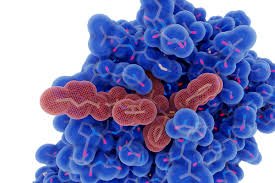
Orthogon Therapeutics announced the closing of an $11 million follow-on financing, bringing the total capital raised to $36 million. The financing will enable the further development of the first-in-class drug against BK polyomavirus. BK virus infections are one of the main causes of complications in transplant patients, although there are currently no approved treatment methods.
For the first time, the company is developing an oral therapy that covers the entire spectrum of BK infection – from early reactivation to systemic spread and the onset of serious diseases. By targeting viral proteins that were previously considered inaccessible to small molecule drugs, Orthogon is advancing a solution where other therapeutic approaches have failed.
Orthogon's lead drug candidate uniquely targets the viral capsid protein (VP1) and exerts a potent antiviral effect at the site of viral replication. Intracellular activity leads to sustained control of viral infection across different BK variants and related human polyomaviruses, especially in transplant patients where viral persistence is a disease driver.
" This is not a conventional antiviral environment. We have developed this program to meet the realities of transplant care," said Ali H. Munawar, Ph.D., CEO of Orthogon Therapeutics. " These patients are treated in an area of tension between immunosuppression, organ function and high tablet load. In view of these limitations, we have created a drug profile that we are very excited to bring into further development."
In parallel, Orthogon has published results in which hundreds of BK virus sequences from patients were examined. These show that the virus already has a variety of antibody binding sites and multiplies beyond the reach of circulating antibodies. The studies explain the limited clinical benefit observed with neutralizing antibodies – challenges that Orthogon's drug is designed to overcome.
The program builds on Orthogon's portfolio of novel small molecule drugs that target each of the two viral proteins: the VP1 capsid and the large T antigen (LTAg) – a capability that the field has been denied for decades. The program will be presented at leading transplant and virology congresses in 2026 and builds on the findings presented at ASN in 2025.
In addition to its focus on polyomaviruses, Orthogon Therapeutics is also advancing programs in other areas of unmet need for transplant-associated infections.
Most Read
- Can APAC Biomanufacturing Decarbonise Without Pricing Itself Out?
- The Algorithm on the GMP Floor: AI Promises a Smarter Plant. Regulators Demand the Audit Trail.
- APAC's Peptide-Capacity Gamble
- After the Rush: APAC's mRNA and Vaccine Capacity Hangover
- The Biosimilar Race: Factory to the World — or Stuck in the Copycat Economy?
- The Vein-to-Vein Problem: Can APAC's Cold Chain Carry Advanced Therapies?
- Vectors, Plasmids and the CGT Trap: APAC's Cell and Gene Therapy Ambitions Face an Upstream Bottleneck
- Can APAC Build Radioligand Therapy Before the Atoms Decay?
- The Great Biopharma Reset: 50 Developments That Changed Everything in H1 2026
- Beyond the Trial: Can Real-World Evidence Earn Regulatory Trust in APAC?
- Beyond the Obvious Giant: Where APAC's Clinical Trials Go Next
- The Frontier That Won’t Quite Arrive
Bio Jobs
- Sanofi Turns The Page As Belén Garijo Steps In And Paul Hudson Steps Out
- Global Survey Reveals Nearly 40% of Employees Facing Fertility Challenges Consider Leaving Their Jobs
- BioMed X and AbbVie Begin Global Search for Bold Neuroscience Talent To Decode the Biology of Anhedonia
- Thermo Fisher Expands Bengaluru R&D Centre to Advance Antibody Innovation and Strengthen India’s Life Sciences Ecosystem
- Accord Plasma (Intas Group) Acquires Prothya Biosolutions to Expand Global Plasma Capabilities
- ACG Announces $200 Million Investment to Establish First U.S. Capsule Manufacturing Facility in Atlanta
- AstraZeneca Invests $4.5 Billion to Build Advanced Manufacturing Facility in Virginia, Expanding U.S. Medicine Production
News