From Japan’s regulatory evolution to South Korea’s biotech rise and Southeast Asia’s collaborative leap, APAC redefined its biopharma trajectory with landmark partnerships, breakthrough therapies, and bold public investment.
APAC Biopharma in Review: What Truly Moved the Needle This Year
Asia-Pacific (APAC) has cemented its status as a pivotal biopharmaceutical hub in 2025, marked by robust innovation, strategic investments, and evolving healthcare needs. Even as global markets faced headwinds, APAC’s biotech sector demonstrated resilience and dynamism. Industry analyses highlight that APAC markets are rapidly gaining credibility as innovation centres amid shifting global strategies. Government support across the region helped counteract a global funding slowdown, and APAC companies increasingly took centre stage in drug development and partnerships. The result is a region that, entering 2026, stands as “the most dynamic, and perhaps the most decisive, region in global biopharma” according to experts. In this report, we review the year’s major developments across key APAC markets – from China’s innovation drive to Southeast Asia’s emerging biotech scene – and examine the trends in R&D, regulation, deals, and macroeconomic forces that truly “moved the needle” for APAC biopharma in 2025.
Major Market Snapshots
China: Scaling Innovation and Global Ambition
China maintained high momentum in biopharma throughout 2025, driven by significant state support and an increasingly innovation-focused industry. Premier Li Qiang underscored biotech as a “strategic emerging sector” vital to public health, calling for stronger policy support to “strengthen original innovation, address core technological challenges, and mobilise resources…to achieve breakthroughs quickly.” This top-level backing builds on a decade of reform: the National Medical Products Administration (NMPA) has accelerated approvals and aligned with global standards, yielding a surge in new drug clearances. From 2019 to 2023, China approved 256 new drugs, slightly more than the US (243 in the same period) – a remarkable turnaround that reflects both faster domestic reviews and greater availability of innovative therapies. Notably, 2023 saw a record 104 NMPA drug approvals (up from 77 in 2022), including novel chemical drugs, biologics, cell/gene therapies, vaccines, and even traditional medicines. While many of these were imported products (68 of 104), it signals China’s success in bringing cutting-edge treatments to its population and its growing attractiveness as a launch market.
Regulatory reforms continued in 2025 to sustain this momentum. A comprehensive State Council policy issued in March aims to “promote China’s transformation from a major pharmaceutical manufacturer to a pharmaceutical powerhouse” by 2027. Measures include accelerating clinical trial approvals (pilot programs are halving approval timelines from 60 to 30 working days), expanding priority review for urgent therapies (e.g. cell and gene therapies, rare disease drugs), and enhancing protection for intellectual property and data exclusivity for new drugs. These steps are strengthening China’s innovation ecosystem and regulatory quality, aiming to improve review efficiency “significantly” while ensuring high safety standards.
Chinese biopharma companies also expanded their global footprint dramatically in 2025. In the first half of the year, Chinese developers accounted for one-third of all global licensing agreements with international pharma firms – a staggering statistic that illustrates how Chinese innovation has become integral to filling global pipelines. This trend was exemplified by record deal-making: for instance, Pfizer’s partnership with China’s 3SBio to license a bispecific antibody for cancer, with $1.25 billion upfront and up to $4.8 billion in milestones committed. Similarly, GSK struck a deal with Jiangsu Hengrui in July 2025, paying $500 million upfront (and up to $12 billion in total) for rights to a suite of 12 Chinese drug candidates. These massive agreements reflect Western pharma’s hunger for APAC innovation: as numerous blockbuster drugs face patent cliffs in coming years, companies like Pfizer, GSK, and AstraZeneca are actively looking to China for “innovative – but validated – new medicines” to replenish their pipelines. Chinese firms, in turn, benefit from their partners’ global development and commercial networks, creating a symbiotic path to international markets.
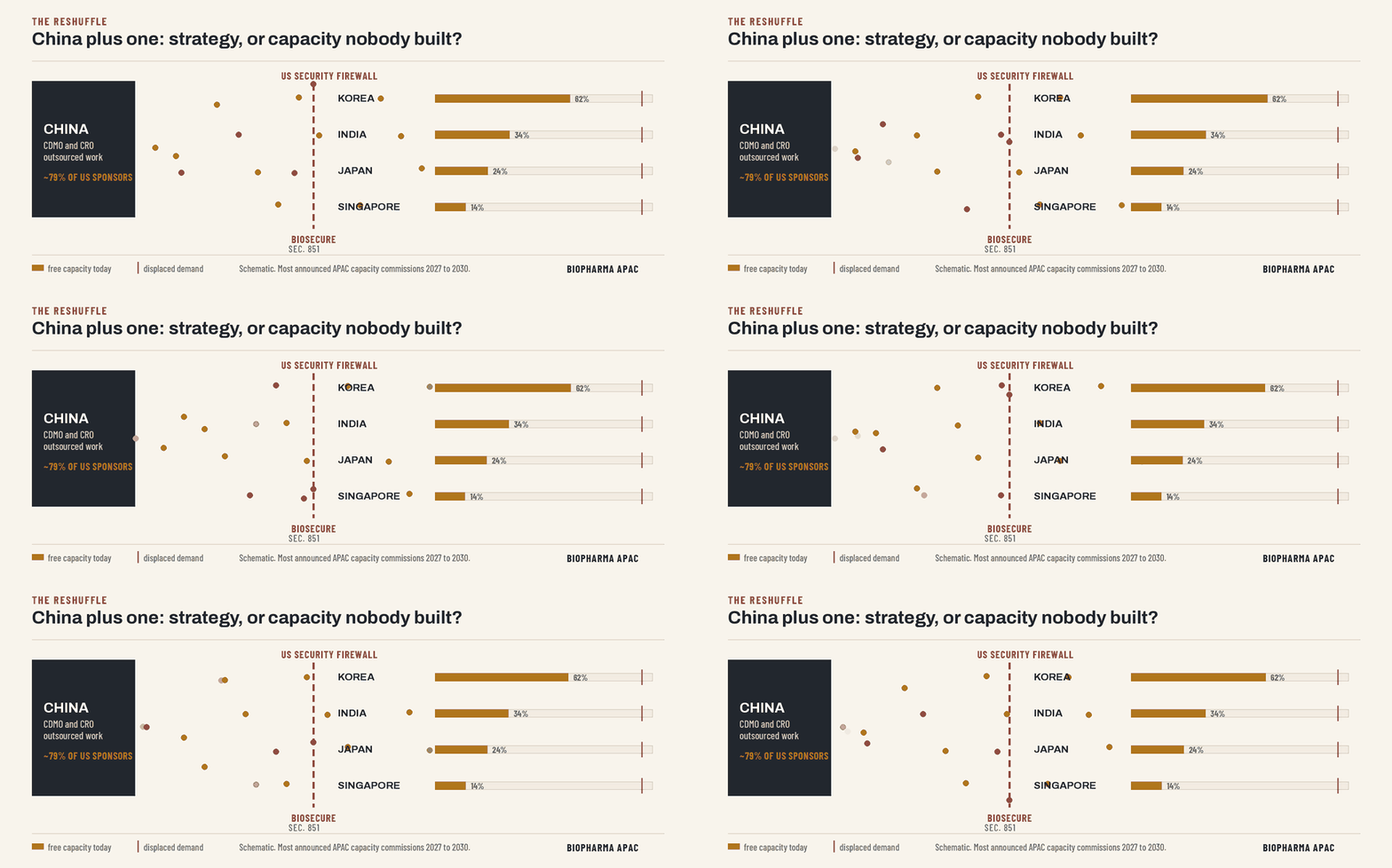
China’s biopharma boom does face challenges: geopolitical tensions and domestic cost pressures. The U.S. government has ramped up restrictions (e.g. the 2024 Biosecure Act barring some Chinese biotech integration into U.S. supply chains) and fostered a coalition with allies (EU, Japan, South Korea, India) to safeguard biopharma supply lines. These moves, alongside price controls in China’s national insurance system, have pushed Chinese firms to adapt. Many are embracing an “east-to-west” licensing model – out-licensing assets abroad to fund R&D – and looking to diversify into friendlier markets in Asia. Indeed, China has increasingly pivoted to Southeast Asia for partnerships and as an export destination. It has become the largest supplier of active pharmaceutical ingredients (APIs) to ASEAN countries and a major provider of vaccines and medical supplies under initiatives like the “Health Silk Road”. These regional ties help China mitigate U.S. decoupling risks while bolstering ASEAN healthcare capacity. Overall, in 2025 China solidified its role as an innovation engine – scaling up R&D, reforming regulation, and forging global links – all of which moved the needle not just regionally but for the worldwide industry.
India: From Pharmacy of the World to Innovation Incubator
India in 2025 continued to leverage its traditional strengths in generic drugs and vaccines while laying groundwork to climb the value chain in innovation. Often dubbed the “pharmacy of the world,” India supplies a significant share of global generics and vaccines (India and China together provide over a billion vaccine doses annually to global markets). This year, Indian firms like the Serum Institute (the world’s largest vaccine maker) and Bharat Biotech expanded production of routine and new vaccines, contributing to worldwide immunisation efforts. Meanwhile, generic drug players benefited from strong export demand, even as they faced pricing pressures in the U.S. and other markets.
At the same time, India has made clear strides towards fostering biotech innovation and R&D. The government’s Biotechnology Industry Research Assistance Council (BIRAC) serves as a crucial catalyst: it has been fueling early-stage innovation through grants, equity investments and low-interest loans to startups. As of 2025, India boasts a broad biotech startup ecosystem – over 3,500 startups supported by BIRAC and allied programs – along with a network of incubators and research parks. In fact, 12 dedicated biotech parks and 95 bio-incubators (under DBT and BIRAC schemes) have been established across India as of August 2025. These facilities provide infrastructure, mentorship, and funding for new ventures, ranging from biopharma and diagnostics to agri-biotech. The government’s National Biopharma Mission (“Innovate in India”) and other initiatives continue to inject funding and capacity-building to accelerate domestic R&D.
Policy shifts in 2025 also aimed to improve India’s clinical research and regulatory environment. India has overhauled clinical trial regulations in recent years (e.g. streamlining ethics approvals and introducing faster review pathways), which has spurred a rebound in trials after a lull in the 2010s. The country now consistently ranks among the top contributors to global trial activity. To further boost new drug development, Indian regulators are transitioning towards mandatory eCTD (electronic Common Technical Document) submissions by 2026 – aligning India’s processes with international norms for easier global integration. Additionally, production-linked incentive (PLI) schemes for domestic manufacturing of key starting materials and APIs (implemented in 2021–2023) showed results this year, with new API plants coming online and reducing reliance on imports. These efforts tie into India’s wider “Atmanirbhar Bharat” (self-reliance) goal in pharmaceuticals, ensuring more resilient supply chains for essential drugs.
A notable trend is increased global collaboration involving Indian companies. Indian pharma has engaged in more licensing and co-development deals for novel therapeutics. For example, Sun Pharma and Lupin have in-licensed innovative candidates from overseas to develop for India and emerging markets. On the flip side, some India-based biotechs attracted foreign investment or partnerships for their homegrown innovations. While India’s pipeline of truly novel (NCE/NBE) drugs remains nascent compared to China’s, 2025 did see encouraging signs – such as several Indian biosimilars and novel biologics gaining international approvals or partnerships. Biocon Biologics, for instance, advanced its global biosimilar portfolio after its $3.3 billion acquisition of Viatris’s biosimilars unit last year, and in 2025 it inked new distribution deals expanding the reach of these products. The Indian government also announced plans for a “National Research Foundation” with ₹500 billion funding over five years, a portion of which will support life science research and academic–industry collaboration.
In summary, India in 2025 balanced its role as a reliable supplier of affordable medicines with a rising emphasis on innovation. Robust public–private initiatives (like BIRAC’s programs and biotech parks) are accelerating the growth of an innovation ecosystem, even as Indian firms continue to dominate in generics. For investors and industry strategists, India’s massive talent pool and expanding infrastructure signal that it is poised to evolve from primarily a manufacturing base to a source of novel therapies in the coming years.
Japan: Reinventing an Established Pharma Leader
Japan entered 2025 as Asia’s most established biopharma market, home to world-class pharmaceutical companies and a sophisticated healthcare system. However, Japanese pharma has faced pressures from a maturing market and intense global competition, prompting strategic shifts. This year saw Japan doubling down on innovation and internationalisation to reinvigorate growth. Notably, the government and industry stakeholders pushed forward programs to support startups and emerging biotechs. Japan’s Bioventure Support Program, for example, is deploying roughly US$366 million to nurture biotech start-ups with funding and incubation. This infusion aims to cultivate a new generation of Japanese biotechs, complementing the R&D of big players like Takeda, Astellas, and Daiichi Sankyo. Such support is timely, as several Japanese pharma companies have faced patent cliffs and lower R&D productivity in recent years; fostering start-ups and academia–industry tech transfer is seen as key to delivering fresh drug candidates.
On the regulatory front, Japan continued efforts to streamline approvals and harmonise standards. The Pharmaceuticals and Medical Devices Agency (PMDA) has embraced more rapid review pathways (for instance, Japan has an orphan drug designation and Sakigake “fast-track” system for breakthrough therapies). In 2025, the PMDA also extended its global reach by opening an office in the United States (Washington D.C.) to facilitate regulatory cooperation and help international firms navigate Japanese regulations. This followed the establishment of a PMDA Asia office in Thailand in 2024. These moves illustrate Japan’s commitment to being more outward-facing and engaging in global regulatory convergence – beneficial for both Japanese companies expanding abroad and foreign innovators entering Japan. Additionally, Japan is implementing ICH guidelines for generic drugs by 2026, which will simplify filing requirements and potentially speed up generic approvals, aiding market competition and access.
Japanese pharma companies in 2025 also pursued strategic M&A and partnerships, often cross-border, to bolster their pipelines. Continuing the trend of past years, major firms acquired overseas assets: for example, Astellas, after its 2023 purchase of U.S.-based Iveric Bio, focused on integrating that acquisition and advancing Iveric’s ophthalmology drug toward the Japanese market. Takeda, which has transformed via acquisitions like Shire (2019), this year entered licensing deals to access novel platform technologies (including cell therapy and AI-driven discovery partnerships with international biotech firms). There is a clear recognition that global collaboration is crucial – both to bring foreign innovations to Japanese patients and to allow Japan’s own discoveries (such as Daiichi Sankyo’s oncology drugs) to reach a wider audience through co-development with multinationals. Notably, Japan’s pharmaceutical outbound investment remained strong: government data showed that Japan and Canada each accounted for 14% of global cumulative pharma foreign direct investment, tying as the largest investors abroad. Japanese firms’ sustained overseas investments reflect their strategy of global portfolio diversification.
Domestically, key therapeutic areas in Japan are shaped by its demographic needs. With one of the world’s most aged populations, Japan has high demand for innovative treatments in oncology, neurodegenerative diseases, and regenerative medicine. In 2025, the country made progress in areas like cell therapy (e.g. advancing induced pluripotent stem cell-based trials for Parkinson’s) and digital health, integrating AI and medical devices to manage chronic diseases common in the elderly. The government’s Healthy Ageing and biotech initiatives align to support these efforts. We also saw Japan’s first home-grown mRNA vaccine (developed by Daiichi Sankyo) move closer to approval, highlighting local innovation spurred by the pandemic experience.
In summary, Japan spent 2025 recalibrating its biopharma sector for the future: encouraging startups and external innovation, refining its regulatory environment, and seeking global partnerships to complement strong in-house science. While Japanese pharma is in a period of transition, the year’s developments indicate a determination to remain at the forefront of high-quality drug development, with an eye on both domestic health priorities and global market competition.
South Korea: Biotech Powerhouse on the Rise
South Korea emerged as arguably the most dynamic APAC market of 2025, making outsized gains in innovation capacity, global recognition, and deal activity. Long known for its strength in biosimilars and contract manufacturing, Korea in recent years has pivoted to original R&D – and 2025 showcased the fruits of that effort. According to Citeline data, South Korean companies have developed over 1,300 new drug candidates in the past three years, accounting for ~10% of the global drug pipeline – putting Korea ahead of traditional R&D leaders like the UK, Switzerland, and even Japan in terms of number of drug candidates. This remarkable statistic reflects a surge of innovation driven by more than 320 Korean biotech and pharma firms. Key areas of focus include oncology, immunotherapy, and rare diseases, where Korean biotechs (e.g. ABL Bio, ALYOUM, and SK bioscience) are producing candidates that attract global interest.
South Korea also shone in clinical trials. In 2023 it ranked 4th globally for clinical trial activity, with the capital Seoul notably the world’s #1 city for number of trials. Unlike many countries that saw trial slowdowns post-pandemic, South Korea’s trial count actually grew by 9% in 2023 while global trial activity fell by 5.5% – a testament to Korea’s efficient research infrastructure and COVID-era investments (like digital trial management and strong public health measures) that kept studies running. That momentum carried into 2025; by mid-year, over 2,000 trials had been launched in Korea since January, indicating another banner year (with particular growth in oncology and vaccine studies). Korean clinical research organisations (CROs) and hospitals – bolstered by government-supported networks like KoNECT – are increasingly partnering on multi-country trials, making Korea a preferred Asia-Pacific trial hub for many multinationals.
Such achievements are no accident: the South Korean government has been highly proactive in biopharma development. In January 2025, a new presidential National Bio Committee was inaugurated to oversee and coordinate biotech strategy at the highest level. This complements a Third Five-Year Plan (2023–2027) aimed at placing Korea among the world’s top six pharma powers. Ambitious targets have been set for 2027, including the development of two homegrown blockbuster drugs (≥₩1 trillion annual sales each), doubling pharmaceutical exports to $16 billion, and creating 150,000 skilled biotech jobs. The plan also calls for having at least three Korean companies in the global top 50 by size. Backing these goals is significant funding: Korea’s government R&D budget for biotech was approximately $19 billion and continuing to rise, and in 2025 the country launched a ₩150 trillion (US$112 billion) National Growth Fund dedicated to high-tech sectors, including biotechnology. This five-year fund, half financed by government and half by private capital, will inject massive resources into areas like biotech startups, manufacturing facilities, and advanced research – marking one of the largest such initiatives in the world. According to officials, the strategy is to leverage Korea’s deep talent pool and strong execution to turn the country into a global biotech hub by 2030.
Workers at a biopharmaceutical production facility in Asia. South Korea in particular has attracted major biomanufacturing investments, strengthening the region’s capacity for drug production.
Korea’s international profile soared in 2025 through high-profile deals and investments. A landmark example was GSK’s £2 billion licensing deal with Seoul-based ABL Bio in April 2025 to co-develop innovative neurodegenerative disease treatments – one of the largest cross-border partnerships involving a Korean biotech to date. Korean firms also drew significant venture funding: e.g. Prazer Therapeutics raised $29 million in a Series B led by Johnson & Johnson Innovation in 2025, reflecting global confidence in Korean startups’ science. Meanwhile, multinational corporations expanded their footprint in Korea’s biotech clusters. Germany’s Merck invested €300 million in a new bioprocessing center in Daejeon, its largest-ever investment in Asia, to localise production of life-science materials. Cytiva (a life-sciences supplier) opened its first Asian Innovation Hub in Songdo BioCluster, including a manufacturing unit coming online by 2026. These moves by foreign firms underscore Korea’s attractiveness due to its advanced infrastructure and skilled workforce. Indeed, in a major global index of biopharma competitiveness, South Korea vaulted from 12th place in 2023 to 3rd in 2025 – now ranking only behind the United States’ traditional strongholds of Switzerland and the UK. Observers attribute this leap to Korea’s “deep talent pool, execution excellence, and regulatory expertise,” with Korean companies mastering complex global approval pathways and setting new benchmarks.
In short, South Korea “moved the needle” the most in APAC biopharma this year. It combined government vision and industry prowess to secure its spot as a global innovation hotspot. With multiple drug candidates advancing, manufacturing capacity booming, and investors pouring in, Korea is well on its way to achieving its biotech powerhouse aspirations.
Southeast Asia and Singapore: Emerging Hubs and Regional Collaboration
Beyond the big four Asian markets, Southeast Asia (SEA) made significant strides in building its biopharma capabilities in 2025. Singapore, in particular, reinforced its status as a regional biotech hub. The city-state’s appeal to global investors grew amid geopolitical shifts – Singapore offers political neutrality, strong IP protection, legal transparency, and regulatory alignment with global standards, making it a safe harbor for biotech R&D. A Bain & Co. report noted that Singapore is rising in appeal to major pharma companies and top scientific talent who are adopting “geographic diversification” strategies (such as splitting IP or operations across jurisdictions) to manage international risk. In 2025, Singapore attracted new R&D investments including AstraZeneca’s plan to establish a regional hub leveraging Singapore’s excellence in complex manufacturing. The government’s commitment under its Research, Innovation and Enterprise (RIE) 2025 plan – which allocated S$25 billion to science and tech, with a large share to biomedical sciences – has paid off in a thriving local ecosystem. Singapore’s Biopolis and related clusters now host a mix of homegrown biotechs (such as TauRx, Hummingbird Bioscience, MiRXES) and international players or VCs. For example, in 2025 Angelini Ventures (Europe) announced a new Asia-Pacific branch in Singapore to fund biotech and health-tech innovation, underscoring Singapore’s role as a financing hub. Singapore’s strong biomanufacturing base also expanded: notably, Ireland’s Almac Group invested to enlarge its Singapore facility (marking 10 years in-country) to support clinical trial supplies and commercial drug manufacturing. These developments strengthen Singapore’s positioning as an Asia-Pacific launch pad for new therapies and as a bridge between Western firms and Asian markets.
The broader Southeast Asia region, while earlier in its biotech journey, also saw important initiatives and partnerships. Governments in Indonesia, Malaysia, and Thailand have all been actively promoting their biopharma industries through policy incentives and international cooperation. Indonesia, for instance, identified biotech as key to improving healthcare and lowering costs as it rolls out universal health coverage. In 2022 it launched the Biomedical & Genome Science Initiative (BGSi) to advance precision medicine via genome sequencing for cancer and genetic disorders. By 2025, Indonesia’s biotech market surpassed $2 billion and continues to grow double-digits. The country has begun attracting overseas investment: South Korea’s Daewoong Pharmaceutical opened a new stem cell plant in Indonesia (after more than a decade operating a biopharmaceutical facility there), and Pfizer Indonesia partnered with local universities on a “HigherHeight” training program to develop biotech talent. Local companies like state-owned Bio Farma and private Kalbe Farma are focusing on vaccines, biosimilars and diagnostics, though challenges in R&D capacity and human capital remain. Elsewhere in the region, Thailand has leveraged its clinical research prowess (as a medical tourism centre) to conduct more trials and is nurturing a nascent cell therapy sector with government backing. Malaysia established the Genome and Vaccine Institute and provided grants to biotech startups as part of its National Biotechnology Policy 2.0. Collectively, these Southeast Asian nations aim to improve self-sufficiency in medicines and grab a foothold in the biotech value chain.
Regional cooperation has also been a theme. ASEAN has pursued pharmaceutical regulatory harmonisation, launching an ASEAN Pharmaceutical Regulatory Policy in 2022 to streamline standards across the 10 member countries. This makes it easier for companies to navigate multiple markets and encourages foreign investment into the region as a whole. According to Singapore’s Economic Development Board, by 2025 79 of the world’s top 100 pharma companies have an established presence in Southeast Asia, and 8 of the top 10 global pharma/biotech firms operate in the region. These figures reflect a high level of engagement – Big Pharma views Southeast Asia as both a significant emerging market (600+ million population) and a partner in manufacturing and R&D. During the COVID-19 pandemic, for example, China’s Sinovac partnered with Indonesia’s Bio Farma to produce COVID-19 vaccines locally, and Sinopharm worked with Thai authorities on vaccine distribution. Such collaborations continue in vaccine production and beyond, bolstering SEA’s capacity. Additionally, in 2025 ASEAN nations discussed forming joint investment funds and innovation networks, often with support from partners like Japan and the U.S., to further boost regional biotech development (e.g. joint training programs, shared research facilities).
In summary, Southeast Asia’s biopharma sector made important progress in 2025, even if from a smaller base. Singapore led the way with a mature hub attracting global projects and talent, while larger emerging markets like Indonesia and Thailand implemented policies to grow domestic capabilities and engaged in cross-border partnerships. The trajectory is clearly upward: APAC’s biotech map is expanding beyond the traditional giants to include these rising players, which in turn diversifies and strengthens the region’s overall biopharma landscape.
R&D Innovation and Clinical Trial Trends
APAC’s reputation as a center of R&D innovation was reinforced in 2025. A confluence of factors – from investments in advanced science to sheer patient population needs – drove noteworthy innovation trends across the region:
- Precision Medicine and Genomics: Across APAC, R&D is increasingly shaped by precision medicine approaches and advanced genomics, often enabled by large, diverse patient datasets. For instance, China’s access to massive genetic and health data (albeit now constrained by new data security laws) has fueled its progress in AI-driven drug discovery and genomics-based therapies. Several Chinese firms are leaders in AI-augmented drug design, contributing to breakthroughs in modalities like AI-designed small molecules and protein structure prediction. In Southeast Asia, as noted, Indonesia’s genome initiative and similar projects in Singapore (like Precision Health Research Singapore) are laying groundwork for future personalised therapies tailored to Asian populations.
- Cell and Gene Therapies: APAC has rapidly embraced cell and gene therapy (CGT) R&D. In Japan and South Korea, there were notable CGT milestones – e.g. South Korea advanced trials of CAR-T cell therapies for lymphoma and expanded facilities for cell therapy manufacturing. Japan approved new regenerative medicine trials using iPSC (induced pluripotent stem cells), reflecting its pioneering work in that field. China designated cell and gene therapies as priority areas; multiple Chinese CAR-T therapies are in late-stage development, and the NMPA grants priority review to urgently needed cell and gene therapy products. The region’s share of global CGT clinical trials has been steadily rising. According to industry reports, by 2025 APAC accounts for roughly one-third of active cell/gene therapy trials worldwide, with China and Japan in the lead and others like Australia (through its regulatory support and medical research centres) also punching above their weight.
- Biologics and Biosimilars: Building on earlier success in biosimilars, APAC companies are now innovating next-generation biologics. South Korea’s pipeline of novel monoclonal antibodies and antibody–drug conjugates (ADCs) grew significantly. In fact, as mentioned, Korean firms contributed dozens of first-in-class or best-in-class candidates (like ABL Bio’s bispecific antibodies for immunotherapy). China likewise saw more indigenous biologics (from PD-1 immunotherapies to bispecifics) reach Phase III or regulatory approval, some of which are globally competitive. The maturity in biologics R&D is also evident in improved manufacturing – APAC houses some of the world’s largest bioproduction facilities (e.g. Samsung Biologics in Korea, WuXi Biologics in China), providing both capacity and expertise that accelerates R&D cycles.
- Therapeutic Focus Areas: Oncology remained the dominant R&D focus across APAC in 2025. Virtually every market from China to Singapore prioritised cancer research, resulting in hundreds of oncology trials (many immuno-oncology agents, cell therapies, and precision medicines targeting prevalent cancers in Asian populations, such as liver and gastric cancers). Other high-activity areas included neurological disorders (with notable investments in Alzheimer’s and Parkinson’s research in Japan, and Korea’s big licensing deal in neurodegeneration as exemplified by GSK–ABL Bio), metabolic diseases (China and India both face large diabetic populations spurring new drug research), and infectious diseases (several ASEAN countries worked on dengue and tuberculosis vaccines/treatments relevant to tropical climates, often with global partnerships).
These innovation trends were backed by strong data. One indicator is the number of clinical trials underway in APAC, which has surged. The Asia-Pacific is the only region that consistently increased clinical trial activity year-on-year, even through pandemic disruptions. By mid-2025, APAC had logged nearly 40,000 trials since 2020 across its top six markets – a figure unmatched by any other region. China alone now hosts roughly 42% of all APAC clinical studies (as of recent analyses), thanks to streamlined regulations and vast patient pools. India too saw growing trial numbers, making South Asia one of the few regions that did not experience a post-COVID dip in trials. The global share of trials is steadily shifting: GlobalData noted that for planned trials in 2025, North America still leads in absolute count, but APAC is a close second and narrowing the gap.
The clinical trial market value in APAC reflects this growth. In 2023, Asia-Pacific’s clinical trial market generated revenue of about $15.9 billion, and this is projected to reach ~$26 billion by 2030 (CAGR ~7.3%). This outpaces global trial market growth, underscoring that more sponsors are choosing APAC as a destination for studies due to its cost-effectiveness and patient recruitment advantages. Countries like Australia remained popular for early-phase trials, given its speedy regulatory approvals and high-quality research infrastructure (the Australian TGA offers pragmatic pathways that, for example, allow Phase I trials to start within weeks of application, attracting many foreign biotech sponsors). South Korea and Taiwan have made their mark especially in oncology trials with fast enrollment. Japan – historically less involved in global trials – has increased participation through harmonisation efforts and encouraging local sites to join multiregional trials, which is enhancing its trial count and speeding availability of global drugs domestically.
Finally, APAC innovation has been accelerated by the integration of digital technology in R&D. 2025 saw widespread use of AI and machine learning in drug discovery and trial design in the region. A Cytiva survey highlighted that 69% of high-growth biopharma firms (many in APAC) are using advanced digital technologies like AI in their R&D processes. Examples include AI-driven target discovery startups in Hong Kong and Seoul, and big pharma (e.g. Pfizer) partnering with Korean AI firms to streamline lead identification. Additionally, decentralised and hybrid clinical trials gained traction in APAC, employing telemedicine and remote monitoring – trends particularly strong in technologically advanced locales like Singapore, Japan, and Australia. These approaches improve patient enrollment and data capture, making APAC trials more efficient and attractive.
In summary, APAC’s innovation engine was in high gear in 2025: prolific pipelines, increasing trial activity, and pioneering work in emerging modalities all underscore that APAC is not just a participant in global biopharma R&D – it is now a driver of the cutting-edge.
Regulatory Shifts and Policy Changes
2025 was a pivotal year for regulatory evolution across APAC, as governments introduced policies to both protect public health and encourage innovation. Some of the most impactful regulatory and policy shifts included:
- China’s Regulatory Reforms: China implemented sweeping changes aimed at speeding drug approvals and raising regulatory quality (as discussed in the China section). The State Council’s policy in March 2025 outlined a vision of a “modern regulatory system” by 2027 to support high-quality development. Concrete measures were put in place: clinical trial approval times have been halved in pilot regions (60 to 30 working days), and supplemental drug applications are being fast-tracked (timeline cut from 200 to 60 days in pilots). The NMPA also broadened its priority review list to include more categories – for example, not just breakthrough therapeutics but also urgently needed vaccines, advanced medical devices like AI diagnostics, and rare disease drugs now qualify for expedited review. Another notable shift is stronger IP and data protection: China will grant regulatory data protection and market exclusivity for certain new drugs (e.g. first-in-class novel drugs, orphan drugs, and pediatric drugs) at the time of approval. This aligns with practices in the US/EU and gives innovators a period of protection in the China market, incentivising novel drug submissions. These changes collectively improve China’s regulatory environment, making it faster and more innovation-friendly while still emphasising safety.
- Australia’s TGA Reforms: Australia enacted Therapeutic Goods Administration (TGA) reforms in 2025 to streamline its processes. Key among these is the introduction of rolling submissions for priority medicines, allowing companies to submit trial data in tranches as it becomes available rather than waiting for a full dossier – expediting review for critical therapies. The TGA also launched enhanced expedited pathways for rare disease treatments to ensure patients with unmet needs gain faster access. Additionally, Australia tightened eCTD electronic submission requirements, moving to fully digital dossiers with stricter formatting rules to improve review efficiency. These reforms, in line with international best practices, aim to maintain Australia’s attractiveness as a site for trials and early launches. For companies, they mean a more predictable and potentially shorter route to approval – which is critical for small biotech with limited windows of exclusivity. The TGA reforms were accompanied by regulatory agility during the year, such as provisional approvals for promising therapies (e.g. in oncology) and continued reliance on decisions from trusted regulators (Australia often leverages FDA/EMA approvals to fast-track domestic nods). Industry feedback on these changes has been positive, noting quicker scientific advice meetings and greater transparency from the TGA in 2025.
- Japan’s Regulatory Harmonisation and Incentives: Japan took steps to further harmonise with global standards. Besides planning ICH generic guidelines implementation, the PMDA’s global outreach (office in the US, etc.) and increased use of foreign clinical data marked a shift to a more open posture. Domestically, Japan continued its Sakigake fast-track for breakthrough therapies – in 2025 this pathway was used to evaluate cutting-edge drugs such as an Alzheimer’s antibody, shaving months off review time. Also, to cope with the flood of digital health products, Japan introduced a new framework for software as a medical device (SaMD) approvals, clarifying how algorithms and AI tools are evaluated. On the incentive side, Japan maintained strong pricing and reimbursement support for innovation: the pricing system grants premium prices to first-in-class drugs and extends price protection for orphan drugs. However, the government also signaled future pricing reforms to ensure sustainability, which companies are watching closely.
- India’s Evolving Framework: India continued to refine its relatively young new drug and clinical trial rules (overhauled in 2019). One development in 2025 was draft guidance on accelerated approval for drugs for severe conditions, potentially allowing approval based on Phase II data (similar to FDA’s accelerated approval). India’s Central Drugs Standard Control Organisation (CDSCO) also began enforcing requirements for post-marketing surveillance more strictly, after some high-profile drug safety issues in the region. Another noteworthy policy shift: India moved to mandate electronic submissions (eCTD) by 2026 for all new drug applications, which will align India’s process with global norms and hopefully expedite reviews through better organisation of data. Additionally, India expanded its list of biological products eligible for “fast-track” processing, encouraging development of biosimilars and vaccines by guaranteeing quicker turnarounds. On the IP front, while India did not change its patent law (which is stringent on evergreening), the government did extend data protection to traditional medicine innovations this year, in a nod to its AYUSH (holistic medicine) industry.
- Regulatory Collaboration in ASEAN: ASEAN’s joint initiatives (like the ASEAN Pharmaceutical Regulatory Policy launched in 2022) gained traction in 2025. Member states worked on mutual recognition of GMP inspections and bioequivalence study standards, which over time will ease entry of medicines across the 10 countries. For example, Singapore, Malaysia, and Australia (though not in ASEAN, collaborating closely) conducted a joint evaluation of a new dengue vaccine in 2025 to avoid redundant reviews. There is also an effort to build an ASEAN common clinical trial regulatory platform to facilitate multi-country trials – a development that sponsors would welcome to tap ASEAN’s combined population more efficiently.
In all these cases, the theme is regulators trying to balance speed with safety and efficacy. APAC agencies are keenly aware that their markets need timely access to novel therapies, and that a supportive regulatory climate can attract investment. The reforms in China and Australia in particular were seen as game-changers: China’s moves signal it wants to rival the U.S. in regulatory sophistication by next decade, and Australia’s agile approaches keep it as a go-to first-in-human trial destination. At the same time, high-profile drug safety incidents in 2023 (e.g. contaminated syrups in South Asia) led to a recommitment to pharmacovigilance in 2025 – APAC regulators are cooperating to strengthen post-market surveillance, with India and Indonesia signing agreements with WHO on reporting adverse events.
Moreover, many APAC regulators are forging international partnerships. China’s NMPA in 2024–25 expanded ties with agencies in Europe and Asia – for instance, it held talks with the Netherlands’ Medicines Evaluation Board and Indonesia’s BPOM to share best practices and discuss collaborations. Japan’s PMDA, as noted, opened overseas offices to liaise better with FDA/EMA. These efforts aim for convergence and reliance – meaning one regulator can rely on another’s assessments in part, reducing duplication. A concrete example: Australia, Singapore, and Switzerland have a work-sharing agreement for evaluating new oncology drugs, which saw use in 2025 and cut down approval times by several months for those products. This trend of regulatory convergence is likely to continue, further integrating APAC into the global regulatory ecosystem.
Mergers, Acquisitions and Partnerships
Deal-making in APAC biopharma reached new heights in 2025, reflecting the region’s growing clout and the strategic realignments of both local and global companies. Notable mergers, acquisitions, and partnerships included cross-border mega-deals as well as regional consolidations:
- Licensing and Co-development Deals: The most striking feature of 2025 was the surge in high-value licensing agreements involving APAC innovators and Big Pharma. As detailed earlier, Chinese and Korean biotechs secured billion-dollar licensing deals at an unprecedented rate. According to Jefferies, 32% of global out-licensing deal value in H1 2025 came from China-origin assets, up from ~21% in prior years. This indicates that nearly one-third of big pharma’s partnership spend went to Chinese companies’ programs – a massive vote of confidence in APAC science. Table 1 highlights a few of the year’s headline deals:
Table 1: Selected Major APAC Biopharma Deals of 2025
|
Deal (Therapeutic Focus)
|
Participants
|
Value / Terms
|
Notes
|
|
Pfizer – 3SBio (Oncology)
|
Pfizer (USA); 3SBio (China)
|
$1.25 B upfront; up to $4.8 B milestones
|
License for 3SBio’s multiple cancer bispecific antibody. Marks one of Asia’s largest upfronts.
|
|
GSK – Hengrui (Multi-asset)
|
GSK (UK); Jiangsu Hengrui (China)
|
$500 M upfront; up to $12 B in milestones
|
Covers rights to 11+ drug candidates (respiratory, immunology, oncology). Massive pipeline co-development deal.
|
|
GSK – ABL Bio (Neurology)
|
GSK (UK); ABL Bio (S. Korea)
|
£2 B total (milestones; upfront not disclosed)
|
License/co-development of bispecific antibodies for Parkinson’s and Alzheimer’s. Largest Korean biotech deal to date.
|
|
Astellas – Bespoke* (Gene Therapy)
|
Astellas (Japan); Bespoke (USA)
|
Acquisition for ~$200 M + earn-outs
|
Astellas acquired US-based Bespoke to gain an ex-vivo gene therapy platform (expand its pipeline in rare diseases).
|
These deals illustrate how global pharma is actively sourcing innovation from APAC. They are strategically focused – e.g., Pfizer’s and GSK’s deals bolster their oncology and neurology pipelines with assets discovered in Asia – and they infuse APAC biotechs with capital and validation. Beyond the mega-deals, mid-sized partnerships also flourished: Novartis partnered with China’s BeiGene to test combinations of oncology drugs; Boehringer Ingelheim expanded a collaboration with India’s Lupin on novel formulations; and Merck KGaA teamed up with Japan’s PeptiDream to develop peptide therapeutics. Virtually every major pharma now has some alliance with an APAC biotech, a stark change from a decade ago. Also noteworthy is the NewCo model being used for some China deals: Western VCs and Chinese pharma form joint new companies (as in the Aiolos and Kailera examples with Hengrui) to develop Chinese-origin drugs globally. This creative structure, blending licensing and venture creation, has gained traction as it mitigates geopolitical and operational risks while leveraging strengths of both sides.
- M&A Activity: Traditional mergers and acquisitions in APAC picked up as well, though large outright acquisitions were fewer than partnerships. One regional consolidation was Celltrion’s merger with Celltrion Healthcare, finalised in 2025, simplifying the corporate structure of the Korean biosimilar giant and strengthening its financial base for further expansion. In Japan, Takeda and Eisai did not pursue large acquisitions this year (having done so in years past), but Sumitomo Pharma made headlines by acquiring the remaining shares of its U.S. subsidiary Myovant Sciences to deepen its focus on women’s health therapies. In India, Glenmark Life Sciences (a subsidiary of Glenmark) was bought by Nirma Ltd., a domestic conglomerate, for approximately $670 million – reflecting ongoing interest by non-traditional investors in pharma API manufacturing assets. Additionally, private equity deals targeted APAC healthcare: Carlyle and others acquired stakes in Asian clinical research organisations and medtech firms, betting on the sector’s growth.
- Joint Ventures and Public-Private Partnerships: APAC also saw innovative collaborations beyond straight M&A. For example, SK bioscience (Korea) and the Coalition for Epidemic Preparedness Innovations (CEPI) formed a joint venture to develop vaccine candidates for emerging infectious diseases in Asia, combining public funding with private R&D capability. In Singapore, the government’s ASTAR research agency and Swiss pharma Roche launched a partnership to create a new diagnostics R&D lab – a model of public-private cooperation to localise high-tech research. Malaysia and Saudi Arabia* agreed on a joint fund to invest in halal pharmaceuticals and vaccines, leveraging Malaysia’s facilities and Middle East capital. Such partnerships, often facilitated by government MOUs, aim to accelerate development in areas of mutual interest (like pandemic preparedness, or in Malaysia’s case, Sharia-compliant meds) and share costs/benefits.
- Regional M&A and Scale-up: Within APAC, companies also acquired each other to gain scale or new capabilities. Chinese biotech firms were active in acquiring smaller startups with promising platforms (a notable deal: Zai Lab acquired a Hong Kong AI-drug discovery startup for its AI models, for a sum in the tens of millions). Indian generic companies continued a trend of acquiring brands or businesses in Southeast Asia and Africa to expand their market reach – e.g., Torrent Pharma of India bought branded cardiology portfolios in the Philippines and Vietnam from local firms. Meanwhile, cross-border within Asia: South Korea’s Sungwun Pharmacopia acquired a manufacturing facility in Indonesia, and Japan’s Ono Pharmaceutical increased its stake in Thailand’s Mega Lifesciences. These moves indicate intra-Asia integration as companies look to tap each other’s markets.
Underlying the deal wave is a confluence of factors: Western pharma’s patent cliff urgency, APAC’s innovative output, and abundant capital seeking growth in healthcare. Interestingly, valuation trends in 2025 were favourable to buyers – the global biotech bear market of 2022–2023 left many biotechs undervalued, so big pharma and big biotech went shopping (the Pfizer–3SBio deal and GSK–Hengrui deal both likely came at valuations considered attractive given the assets’ progress). APAC biotechs proved willing to out-license or sell stakes because raising capital via IPOs was challenging (Hong Kong’s biotech IPO market was cooler than in the late 2010s, and few APAC biotechs tried NASDAQ in 2025 given U.S.–China tensions and stricter audit requirements). Thus, partnerships offered a win-win financing and development path.
It’s also important to note that APAC governments encourage such partnerships. China, for instance, despite some nationalistic rhetoric, tacitly supports out-licensing because it helps local firms monetise assets globally and reinvest proceeds locally (furthering innovation). Premier Li Qiang’s remarks on mobilising both government and “market resources” for innovation imply approval of market-driven deals. Similarly, South Korea’s strategy explicitly calls for “deeper global partnerships to drive licensing, M&A and international growth” for Korean biotech. In short, 2025 was the year APAC deal-making truly went mainstream, with local biotechs firmly on the radar of every pharma business development team and regional consolidation preparing home-grown companies for the global stage.
Emerging Biotech Hubs and Funding Landscape
A striking feature of 2025 was the emergence (or re-emergence) of several biotech hubs in APAC, alongside an evolving funding landscape marked by both challenges and resilience:
- Emerging Hubs in Asia: Beyond the well-known centers like Shanghai, Shenzhen–Hong Kong, Singapore, and Seoul–Incheon (Songdo), new clusters gained momentum. In China, the Greater Bay Area (linking Hong Kong, Shenzhen, and Guangzhou) ramped up biotech activities with government initiatives to ease cross-border research collaboration. The city of Wuhan also saw heavy investment in life sciences parks as part of China’s post-pandemic recovery, aiming to be a vaccine manufacturing centre. India promoted Hyderabad (“Genome Valley”) and Bangalore as biotech hubs with tax incentives and infrastructure – Hyderabad in particular landed investments for vaccine and insulin production facilities in 2025. South Korea’s Songdo BioCluster continued to expand rapidly; by end of 2025 Songdo housed dozens of biomanufacturing plants (Samsung, Celltrion, Lotte, etc.) and a thriving community of startups, supported by incentives and a nearby Free Economic Zone. As earlier noted, global suppliers like Cytiva and Sartorius are also present there, creating a full ecosystem. Japan has been focusing on Tsukuba Science City and Kobe (with its biomedical innovation cluster) to incubate startups; 2025 saw foreign startups being invited to these zones with grant programs, signalling an internationalisation of Japan’s hubs. Meanwhile, Australia is nurturing biotech precincts in Melbourne (Parkville) and Sydney, aligned with major universities and hospitals, supported by state government funds.
- Southeast Asian Locales: In Southeast Asia, certain cities are positioning themselves as niche biotech centers. Bangkok saw the creation of the first Thai innovation park for biopharmaceuticals – a small start, but aimed at biologics R&D and packaging local herbal medicine research into modern drug formats. Kuala Lumpur and Penang in Malaysia host growing pharma manufacturing bases (e.g. Biocon’s insulin plant in Johor, opened in 2022, was fully operational and exporting to regulated markets by 2025). Even Ho Chi Minh City in Vietnam made moves, establishing a biotech incubator linked to its medical university, hoping to emulate some of India’s outsourcing success on a smaller scale. While these hubs are still developing, they indicate a broad regional recognition that biotech can be an economic growth driver and is worth investing in. Governments often provide cheap land, R&D grants, and regulatory facilitation to companies setting up in these zones.
- Investment & Funding Dynamics: The funding climate in 2025 was nuanced. On one hand, global venture capital and IPO funding for biotech remained below the 2021 peak, due to high interest rates and risk-aversion among investors. Early-stage funding in APAC actually declined by ~11% CAGR from 2019–2024, as per Bain analysis, reflecting that VCs became more cautious and focused on startups with clear clinical validation. However, late-stage deals (licensing, joint ventures) grew, as described, and public sector funding filled many gaps. For example, South Korea’s Korea Drug Development Fund (KDDF) committed US$1.6 billion to over 1,200 projects through 2030, providing crucial non-dilutive funding to bridge early development. India’s BIRAC and Japan’s AMED (Agency for Medical R&D) similarly increased grant outlays in 2025 to ensure promising research didn’t stall for lack of private money. Private equity in Asia also remained active for more mature companies – we saw some large PE-led buyouts in the healthcare provider and medtech space, and those funds are now looking at biopharma manufacturing assets as well.
Interestingly, investor sentiment began to recover in mid-to-late 2025. BioSpectrum Asia’s analysis in August noted “resurging funding” and a rebound of investor enthusiasm, especially for startups in oncology, gene therapy, and AI-driven drug discovery. By Q3 2025, multiple APAC biotechs closed sizable venture rounds: e.g. China’s XR Therapeutics raised $100 million Series C for RNA medicines, and Australia’s Neureto raised A$60 million for a Phase II CNS asset. Sector-focused funds like Singapore’s EVX Ventures and China’s Hillhouse Capital’s biotech arm actively deployed capital, seizing relatively lower valuations. Moreover, strategic corporate investment increased – Asian pharma companies themselves acted as investors in startups (for instance, Takeda and Astellas each launched or added to corporate venture funds targeting APAC innovation). This helped supplement traditional VC. By year-end, there was cautious optimism that if interest rates stabilise, 2026 could see a proper revival of biotech IPOs and funding in the region.
Another dimension to funding is government investment in infrastructure. The South Korean National Growth Fund (₩150 trillion) has been mentioned; similarly, China’s provincial governments collectively poured billions into biotech parks and talent programs in 2025. The Greater Bay Area has a multi-year plan with a fund reported around ¥10 billion (US$1.5 billion) to support biotech incubation. Saudi Arabia and UAE also began investing in APAC biotech via sovereign funds, as part of their global diversification – for example, UAE’s Mubadala fund invested in an India-based healthcare AI startup and a Chinese genomics firm this year, marking the Middle East’s growing link with APAC bioscience.
APAC’s talent landscape underpins these hubs. There was notable movement of scientists: many overseas Chinese and Indian scientists continued returning to their home countries, lured by ample funding and opportunities to lead R&D (often heading labs in new institutes). Korea and Singapore have recruitment programs to attract foreign researchers; 2025 saw a few prominent Western scientists relocate (or establish satellite labs) in APAC – a reversal of the historical “brain drain.” For example, Singapore’s research agencies recruited top immunologists from Europe to lead its infectious disease centre. Such talent influx further validates APAC hubs and helps elevate research quality.
One should also mention Cytiva’s 2025 Global Biopharma Resilience Index, which had a pillar on talent and innovation ecosystem. APAC’s improvements here were clear: South Korea, Singapore, Japan, and India all climbed in the rankings, as noted previously (with Korea leaping to 3rd globally, Singapore at 6th, Japan 7th, India 10th). China’s score improved in raw terms but it fell to 16th place due to others’ leaps and its internal policy uncertainties. The index’s message was that APAC countries are strengthening in areas like workforce training, R&D output, and supply chain robustness, which are essential for sustaining hubs. Indeed, supply chain resilience was a focus after the pandemic experience – countries like India and Singapore invested in warehousing and local API production, and companies diversified sourcing. Cytiva’s APAC VP noted that while global resilience slipped, APAC “is moving in the opposite direction” (becoming more resilient), thanks to these concerted efforts.
In conclusion, 2025’s biotech geography in APAC was one of expansion and strengthening. New and existing hubs flourished, backed by heavy investment even amid a tricky funding environment. The result is a more distributed, resilient network of biotech centres – from established giants like Shanghai and Seoul, to rising stars like Hyderabad and Bangkok – all contributing to APAC’s collective growth. For strategists and investors, this means more options for partnerships and operations in the region, and a competitive but rich landscape to engage with.
Impact of Macroeconomic and Global Forces
APAC’s biopharma industry in 2025 did not operate in isolation; it was influenced by broader regional and global macroeconomic forces. The interplay of these factors shaped strategic decisions and industry performance throughout the year:
- Global Economic Climate: The year began under the cloud of a global economic slowdown and high inflation in many countries. Elevated interest rates worldwide made capital more expensive, which in turn affected biotech funding as discussed. APAC biopharma felt this in tighter venture funding, but the impact was cushioned by government interventions (e.g. South Korea’s Growth Fund, India’s public grants). Interestingly, APAC’s relatively faster post-COVID recovery and growth – especially in countries like China (which, after lifting zero-COVID in late 2022, saw a rebound) – meant the region remained attractive for investors seeking growth opportunities. While U.S. and European markets flirted with recession conditions, Asia (ex-China) grew around 5% in 2025, providing a more stable domestic market for healthcare. However, China’s economy slowed compared to its past (around 4-5% growth), partly due to property sector issues. This had a dual effect: on one hand, Chinese consumers faced less income pressure on drug spending thanks to government healthcare coverage expansions; on the other, the government became more aggressive in cost-containment (demanding price cuts from pharma through volume-based procurement). Thus, macroeconomics incentivised companies to focus on efficiency and value – e.g. pharma firms implemented digital tools to cut trial costs and optimize supply chains in response to cost pressures.
- Currency Fluctuations: The strong U.S. dollar in the first half of 2025 made imports of APIs and equipment more expensive for some APAC manufacturers (particularly in emerging ASEAN markets). Conversely, it made Asia an even more cost-competitive location for conducting R&D and trials from the perspective of dollar-budgeted multinationals. Some countries intervened to stabilise currencies (for instance, Japan continued its strategy to manage the yen’s value, which hovered at multi-decade lows, indirectly benefiting export-oriented CDMOs). Overall, currency impacts were managed and did not significantly derail plans, but profit margins for export-heavy Indian generic firms were squeezed until currency rates adjusted later in the year.
- Trade and Supply Chain Shifts: The continued U.S.–China trade tensions and broader supply chain realignments had a tangible impact on APAC biopharma. Western pharma and biotech firms, cognisant of geopolitical risks, increasingly adopted a “China +1” strategy – maintaining operations in China but establishing parallel supply or research nodes in another APAC country (often Southeast Asia or India) as a backup. For example, several multinational pharma outsourced more API production to India and invested in Indonesia and Vietnam for secondary manufacturing, aiming to diversify away from sole reliance on China. This trend was supported by China’s neighbors actively courting such investment (Vietnam set up a task force in 2025 to attract pharma ingredient plants, offering tax holidays). China itself faced export controls on certain tech from the West, but not much directly on pharma; however, the broader tech decoupling led Chinese biotech to source more equipment domestically or from European suppliers (if U.S. sources were seen as less dependable). The upside of these shifts for APAC is that countries like India, Vietnam, and Malaysia are capturing new business in pharma manufacturing, strengthening regional supply chain resilience. China too launched initiatives to bolster self-reliance – e.g. funding companies to develop domestic alternatives for imported bioprocessing equipment.
- Geopolitical Tensions: Beyond U.S.–China, other geopolitical factors played a role. The war in Ukraine, while far, impacted global energy and raw material prices which fed into costs for pharmaceutical production (solvents, aluminum for packaging, etc.). APAC generics manufacturers coped with higher input costs for a time, though by 2025 some stability returned. In the Middle East, improved relations (e.g. Saudi-Iran) and wealth from high oil prices led Gulf investors to put money into APAC healthcare as mentioned, an indirect but positive effect for funding. Within Asia, regional trade agreements like the RCEP (Regional Comprehensive Economic Partnership, in effect since 2022) made trade in pharmaceuticals easier among 15 Asia-Pac nations including China, Japan, and ASEAN. Tariffs on many pharma products will phase out, and mutual recognition of standards is encouraged – this started to facilitate smoother export/import of drugs in the region.
- Public Health and Pandemic Legacy: The tail of the COVID-19 pandemic still influenced biopharma. APAC governments, mindful of pandemic lessons, invested in vaccine R&D and production capacity as a strategic asset. Many countries kept or expanded pandemic-related expedited regulatory procedures (for example, the use of rolling reviews and emergency authorisations, now being adapted for non-COVID urgent needs too). The general public in APAC emerged from the pandemic with a greater appreciation for pharmaceuticals and vaccines, which translated into political will for supporting the industry. However, the pandemic also left budgetary strains – healthcare spending spikes had to be reined in, leading to tough negotiations on drug pricing in systems like Japan’s and Australia’s. Ultimately, APAC biopharma benefited from a lasting boost in prominence due to COVID, but must navigate governments’ balancing act of encouraging innovation versus controlling healthcare costs.
- Labour and Talent Market: A macro trend globally has been tight labour markets and higher wages. In APAC, this was evident in the competition for skilled talent. Talent shortages (especially experienced biologics manufacturing staff and AI/data scientists) became more pronounced. The Cytiva index report flagged persistent talent gaps in advanced modalities as a challenge worldwide, and APAC is no exception – though countries like India produce vast STEM graduates, specific biopharma training is still a limiting factor. In response, companies and governments in APAC are ramping up training programs. For instance, Singapore opened a new Training Institute for Biologics in collaboration with industry to certify bioprocess engineers. South Korea’s plan includes nurturing 10,000 additional biotech professionals by 2030 through academia-industry partnerships. These macro labor efforts will take time to bear fruit, but are crucial for sustaining growth.
In essence, macroeconomic forces in 2025 presented both challenges and opportunities for APAC biopharma. The sector proved resilient – partly due to structural advantages (large markets, lower costs, government backing) and partly due to strategic adaptation (diversifying supply chains, seeking new funding sources, and embracing innovation to drive efficiency). Global uncertainties actually reinforced APAC’s role: Western firms hedged bets by deepening ties in APAC, and APAC governments doubled down on life sciences as a key to future economic security. The industry ended the year more regionalised (with supply chains spreading within Asia), more robust against shocks, and with optimism that a stabilising global economy in 2026 could further unleash APAC’s potential.
Moved The Needle....
In 2025, the Asia-Pacific biopharma industry truly “moved the needle”, solidifying the region’s transformation from a follower to a leader in the global pharmaceutical arena. We saw major APAC markets each make distinctive contributions: China advanced into novel innovation and deal-making on a global scale, South Korea vaulted into the top ranks through strategic focus and government support, India and Japan took meaningful steps to invigorate innovation in their robust pharma bases, and Singapore and Southeast Asia nurtured new frontiers of growth. Across the region, there was a unifying theme of innovation acceleration – evident in rising clinical trials, faster drug approvals, and breakthrough research – supported by agile policies and collaboration-driven partnerships.
Disclaimer
This report is provided for general informational and editorial purposes only and does not constitute medical, legal, regulatory, investment, tax, or other professional advice. The analysis reflects a high level summary of publicly available information, industry commentary, and third party sources available at the time of writing, and may not capture all developments, nuances, or local market conditions across Asia Pacific. Figures, projections, rankings, market sizes, and deal values are presented for contextual understanding and may be estimates, subject to revision, and influenced by differing methodologies across sources.
References to companies, products, regulators, policies, and programmes are included for illustrative discussion and do not imply endorsement, affiliation, or recommendation. Readers should independently verify any data points and consult qualified professionals before making decisions based on the content. Regulatory pathways, clinical trial requirements, and policy interpretations vary by jurisdiction and can change rapidly. The publishers and authors disclaim any liability for actions taken in reliance on this material, including any loss or damage arising from errors, omissions, or subsequent changes in facts or regulations.
The data and examples presented underscore a shifting centre of gravity: APAC now hosts a significant portion of the world’s drug development activity and is an indispensable partner for the industry’s future. From nearly 40,000 clinical trials by APAC’s top countries since 2020, to APAC firms accounting for one-third of global pharma licensing deals in 2025, to government initiatives injecting hundreds of billions of dollars into biotech, the scale of progress is unprecedented. Crucially, these advances benefit not just the region but the world – enabling more medical breakthroughs, diversifying supply sources, and bringing therapies to patients faster.
For industry professionals, strategists, and investors, the implications are clear. APAC is no longer a peripheral market or a low-cost manufacturing base; it is a central pillar of the biopharma ecosystem, where strategic developments can dictate global trends. Companies that engaged deeply with APAC in 2025 – whether through R&D collaboration, market expansion, or investment – have gained a competitive edge. Those that haven’t will likely intensify their focus on the region, lest they miss out on its vast opportunities.
Looking ahead, the trajectory suggests continued growth. Challenges will persist – managing cost pressures, ensuring quality and safety amid rapid expansion, and navigating geopolitical currents – but if 2025 is any indication, APAC’s biopharma sector will meet them with the same resolve and ingenuity that defined this year. Asia-Pacific biopharma, in sum, has proven that it can move the needle globally: driving innovation, forging partnerships, and shaping a healthier future for the region and beyond.