Hoth Therapeutics Reports Positive HT VA Study Data Highlighting GDNF Driven Metabolic Reprogramming In Fatty Liver Disease
15 April 2026 | Wednesday | News
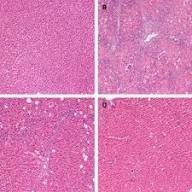
Hoth Therapeutics, Inc. (NASDAQ: HOTH), a clinical-stage biopharmaceutical company, announced positive data from its HT-VA study, conducted under its Cooperative Research and Development Agreement (CRADA) with the U.S. Department of Veterans Affairs and Emory University, demonstrating that parenteral GDNF (Glial Cell-Derived Neurotrophic Factor) directly reprograms liver fat metabolism at the genetic level in a preclinical model of metabolic-associated fatty liver disease (MAFLD).
The data highlights statistically significant improvements in key genes responsible for fat production and fat metabolism, positioning GDNF as a potentially differentiated therapeutic approach targeting the root cause of fatty liver disease and metabolic dysfunction.
- Statistically significant reduction in Srebf1, a key gene driving fat production in the liver
- Increased expression of Pparα, a central regulator of fat metabolism and fat burning
- GDNF outperformed semaglutide in key gene expression markers tied to liver fat regulation
- Demonstrated broad metabolic impact at the genetic level, not just weight reduction
Unlike existing therapies that primarily focus on weight loss, GDNF directly targets the biological mechanisms responsible for fat accumulation in the liver.
- Srebf1 reduction → less fat being created
- Pparα activation → more fat being burned
- Net effect → reprogramming of liver metabolism
This dual mechanism suggests GDNF may offer a disease-modifying approach for MAFLD, obesity, and related metabolic disorders.
"HT-VA represents a major milestone for Hoth as we expand into high-value metabolic indications," said Robb Knie, Chief Executive Officer of Hoth Therapeutics.
"These results demonstrate that GDNF is not simply reducing fat, but fundamentally reprogramming how the body produces and metabolizes fat at the genetic level. The ability to shut down fat creation while activating fat metabolism differentiates GDNF from existing therapies, including GLP-1 agonists."
SCIENTIFIC SUMMARY (HT-VA STUDY)
The HT-VA study evaluated the effects of parenteral GDNF in a diet-induced obesity and MAFLD model.
Key observations include:
- Western diet significantly increased liver fat accumulation and metabolic dysfunction
- GDNF treatment significantly improved liver gene expression linked to fat metabolism
- Reduced lipogenesis signaling (Srebf1) and enhanced metabolic regulation pathways (Pparα)
- Gene expression changes support improved hepatic lipid handling and metabolic efficiency
STRATEGIC IMPLICATIONS
- Entry into MAFLD/NASH and obesity markets
- Differentiation vs. GLP-1 therapies through gene-level mechanism
- Potential for first-in-class metabolic reprogramming therapy
- Expansion beyond Hoth's core dermatology and oncology pipeline
NEXT STEPS
Hoth plans to:
- Advance HT-VA findings into additional preclinical validation studies
- Evaluate clinical development pathways for metabolic and liver diseases
- Explore strategic partnerships and collaborations to accelerate development
Most Read
- Can APAC Biomanufacturing Decarbonise Without Pricing Itself Out?
- The Algorithm on the GMP Floor: AI Promises a Smarter Plant. Regulators Demand the Audit Trail.
- APAC's Peptide-Capacity Gamble
- After the Rush: APAC's mRNA and Vaccine Capacity Hangover
- The Biosimilar Race: Factory to the World — or Stuck in the Copycat Economy?
- The Vein-to-Vein Problem: Can APAC's Cold Chain Carry Advanced Therapies?
- Vectors, Plasmids and the CGT Trap: APAC's Cell and Gene Therapy Ambitions Face an Upstream Bottleneck
- Can APAC Build Radioligand Therapy Before the Atoms Decay?
- The Great Biopharma Reset: 50 Developments That Changed Everything in H1 2026
- Beyond the Trial: Can Real-World Evidence Earn Regulatory Trust in APAC?
- Beyond the Obvious Giant: Where APAC's Clinical Trials Go Next
- The Frontier That Won’t Quite Arrive
Bio Jobs
- Sanofi Turns The Page As Belén Garijo Steps In And Paul Hudson Steps Out
- Global Survey Reveals Nearly 40% of Employees Facing Fertility Challenges Consider Leaving Their Jobs
- BioMed X and AbbVie Begin Global Search for Bold Neuroscience Talent To Decode the Biology of Anhedonia
- Thermo Fisher Expands Bengaluru R&D Centre to Advance Antibody Innovation and Strengthen India’s Life Sciences Ecosystem
- Accord Plasma (Intas Group) Acquires Prothya Biosolutions to Expand Global Plasma Capabilities
- ACG Announces $200 Million Investment to Establish First U.S. Capsule Manufacturing Facility in Atlanta
- AstraZeneca Invests $4.5 Billion to Build Advanced Manufacturing Facility in Virginia, Expanding U.S. Medicine Production
News